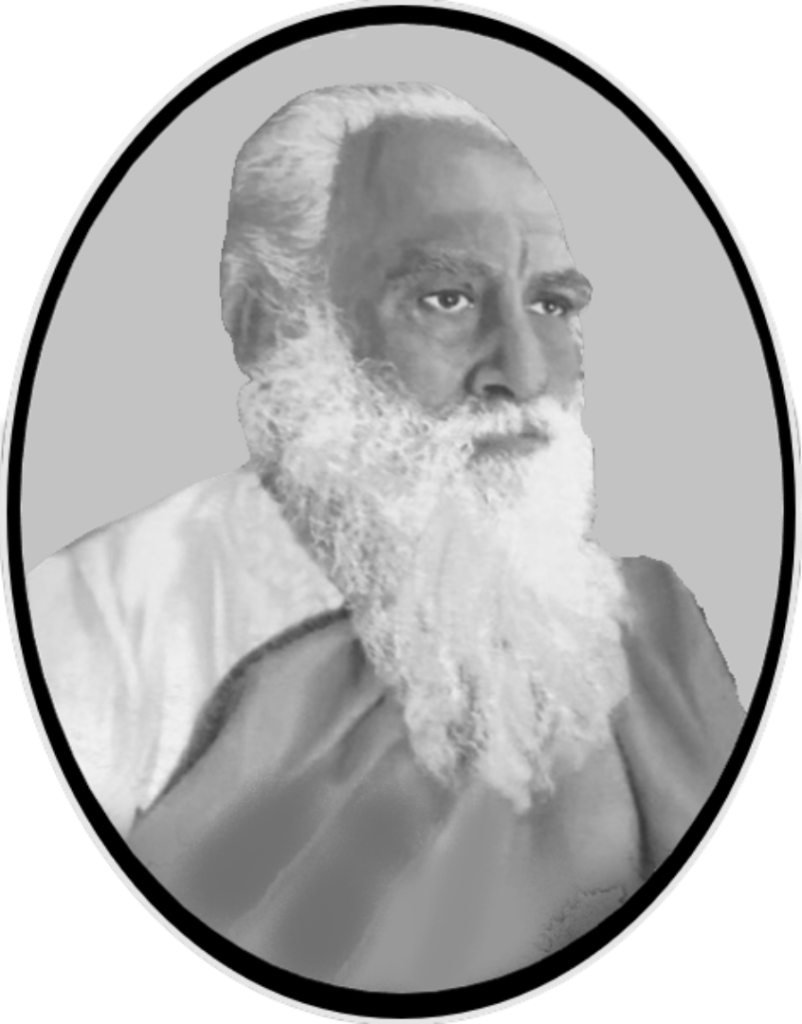
LEGACY and INFLUENCE
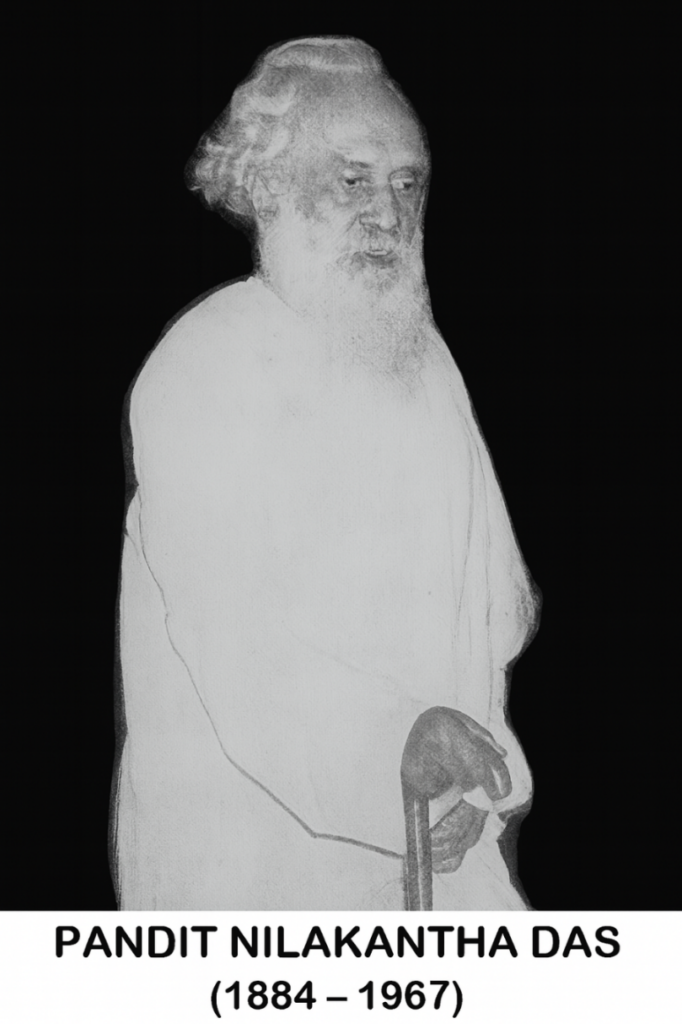
INTRODUCTION
Pandit Nilakantha Das stands as one of the most extraordinary figures in Odisha’s modern history. Born towards the end of the nineteenth century, he was best known as the headmaster of the Satyabadi School, a freedom fighter, legislator, a deeply committed son of the soil, and a maker of the modern Odisha province. Moreover, he was a well-known poet, journalist, reformer, and scholar of language and culture. His contributions helped shape modern Odisha and gave voice to its cultural and political identity.He was honoured as Utkal Guru – the revered teacher and guide of Odisha – in recognition of his learning and originality.As those who knew him well observed, his life cannot be neatly divided into separate roles. His work in education, literature, politics, and reform grew from a single, integrated vision of service and truth.Yet, Nilakantha’s story is not just about one man’s brilliance. It is about a generation of visionaries who believed that education, cultural strength, and moral courage could build a new Odisha. This website is a small tribute to that legacy — created to help present and future generations understand the depth and relevance of Pandit Nilakantha’s work. We provide here an introduction to that erudite person and his lifelong endeavours and achievements.
Utkal Guru Pandit Nilakantha Das
Pandit Nilakantha Das, the famous headmaster of the Satyabadi School at the dawn of the 20th Century Odisha, was a revered figure in pre-independence Odisha and across India. He is widely regarded as one of the brightest minds of his time (>> Link). Due to his exceptional intellect and profound knowledge in many important fields, he was honoured as Utkal Guru by Netaji Subhas Chandra Bose, in 1939, and more formally by Pandit Godabarish Misra and others, in 1951. (>> Link Dr. Digaraj Brahma, pg. 47). In knowledge, temperament, lifestyle and appearance, Pandit Nilakantha’s resembled the ancient Indian rishis. His expertise in Sanskrit, and pioneering research on the Odia language and Jagannath culture have no parallel. His unique personality, immense erudition and intellectual independence were evident in every aspect of his life.
Pandit Nilakantha’s knowledge, besides Sanskrit, spanned numerous other fields, including Odia, English Literature, Oriental Literature, Philosophy, Politics, Social science, and Journalism. He was active in most of these arenas, trying to remove ignorance and bring freedom of thought and spirit to people in the British-occupied India. Hence it is difficult to place him within a single framework; and Dr. Sadashiv Mishra, Ex-Vice Chancellor of Utkal University and Principal of Ravenshaw College, a student of Pandit Nilakantha at Satyabadi School, has aptly said:
ନୀଳକଣ୍ଠଙ୍କୁ ସାହିତ୍ୟିକ, ସଂସ୍କାରକ, ରାଜନୀତିକ ଇତ୍ୟାଦି ବିଭିନ୍ନ ଭାବରେ ବିଭକ୍ତ କରିବା ନିତାନ୍ତ ଅସଙ୍ଗତ ।
ସେ ସମସ୍ତ ଅବିଭାଜ୍ୟ । ନୀଳକଣ୍ଠଙ୍କ ମନୀଷା ଏକ ସମନ୍ଵିତ ପ୍ରସୂନ ।
(“It is highly inappropriate to categorize Pandit Nilakantha into distinct roles such as litterateur, social reformer, or politician. All those aspects are inseparable. Nilakantha’s Intellect is an all-encompassing blossom.”) (TBD: Link NK Smaraki –)
ପରର ଚିନ୍ତା ଭାବଧାରା ଉଦ୍ଧାର କରି ସେ କେବେ ହେଲେ ପାଣ୍ଡିତ୍ୟ ପ୍ରକାଶ କରି ନାହାନ୍ତି |
ଯାହା ତାଙ୍କର ନିଜସ୍ୱ, ସେହି ମୌଳିକତାରେ ତାଙ୍କର କାବ୍ୟ, କବିତା, ଭାବନା, ବକ୍ତିମା, ସମସ୍ତ ଉଦ୍ଭାସିତହୋଇଛି |
(He never displayed his erudition by borrowing the thoughts and philosophies of others. His work — poetry, prose, ideas, and speeches — glows with his own originality and authenticity.” )
In his youth, in 1902 Nilakantha pledged – along with Pandit Gopabandhu, and cousin Harihara – to serve the nation and strive to leave it in a better state by the time of his death. Throughout his life, he acted with unwavering dedication and selflessness to fulfil that vow. Moreover, his sphere of action extended far beyond Odisha – reaching the Delhi Central Assembly, the Indian Freedom movement, and even into the study of Western civilizations, languages, and cultures.
Key Highlights of Pandit Nilakantha’s Legacy
• Legislator and Statesman: Represented Odisha in the Delhi Central Assembly from 1924 to 1945. He was a close associate of Dr. Rajendra Prasad and several other national leaders.
• Architect of Modern Odisha: Played a central role in the creation of the Odisha province on a linguistic basis in 1936 — the first such province in India.
• Pioneer of Civil Disobedience: He was the first to protest the Salt Tax imposed on the Odia people in the Delhi Assembly – a move later echoed nationally by Mahatma Gandhi during the Salt Satyagraha.
• Champion of Education and Literature: Nilakantha was the legendary Headmaster of the Satyabadi School before taking part in the Indian Independence fight. Instrumental in the establishment of Utkal University in 1943; he advocated for it in Parliament and planned its foundation based on his experience in the Delhi University Senate. He was also the founding President of the Odisha Sahitya Akademi in 1957.
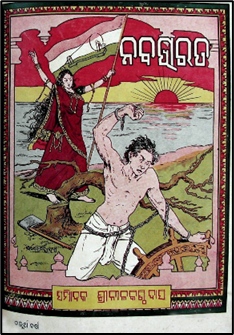
• Literary Luminary: A prolific writer and researcher in politics, literature, and philosophy. His edited journal NabaBharat was one of the most respected literary magazines in Odisha.
• A Social Reformer: He brought many evils of the society, based on superstition, ignorance and incompetence, to public attention through his powerful writings
• Close Ally of Great Odia Leaders:Worked closely with Pandit Gopabandhu Das and Utkal Gaurav Madhusudan Das, helping realize their visions for Odisha. Later, after his return to Odisha politics, he advised and earned the respect of younger politicians of the state.
Many of Nilakantha’s political actions, including pioneering work for the creation of Odisha as a linguistically-based independent province, occurred in Delhi. They are recorded and available in the form of writings, debates, and formal documents.
Website of Pandit Nilakantha
This website is a private effort to compile, organize, and present the significant contributions of Pandit Nilakantha Das for those who are interested in Odisha, its language, culture, Jagannath Dharma, and its noble forebears. Given Nilakantha’s multifaceted personality — as a litterateur, politician, freedom fighter, philosopher, children’s book writer, linguist, journalist, and reformer — it was challenging to organize and present his life and accomplishments comprehensively. To help improve clarity and flow during the editing process, the authors have used an AI-assisted tool. Nonetheless, all ideas and information presented here are the authors’ own and primarily based on the sources included in the digital repository. Great care has been taken to preserve his legacy in the associated Digital Repository.
LIFE HISTORY
Early Life and Education
Pandit Nilakantha was born on 5th August 1884 into a respected Brahmin family in the village of Sri RamaChandraPur, a Brahmin Sasan in Sakhigopal, near Puri, Odisha. He was the only son of Sri Ananda Das, who was the first person to instill strong values, by example, in the young boy. Nilakantha attended Puri Zilla School, where he completed his high school education. From a young age, Nilakantha was known for his intelligence and independent thinking
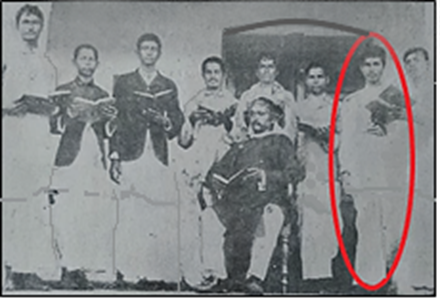
Student Nilakantha (in red circle) with Headmaster and others
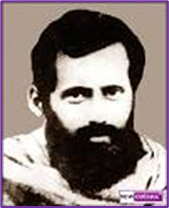
Pandit Gopabandhu
While studying in Puri, Nilakantha came in contact with Pandit Gopabandhu Das, then a young lawyer, and was highly influenced by his ideologies. Nilakantha, along with two of his cousins, took a vow with Gopabandhu in 1902 not to serve the British Government but to dedicate themselves to uplifting their impoverished motherland. Throughout his life, Nilakantha served as Gopabandhu’s right-hand man — helping him in flood and cholera relief efforts, establishing the Satyabadi School, and canvassing in remote areas of divided Odia-speaking tracts – advocating for their unification into a single Odisha province. Nilakantha always regarded Gopabandhu with deep reverence — as his friend, mentor, and guiding light; and dedicated his philosophical treatise Arya Jeeban (1921) in Gopabandhu’s honor. He was devastated by Gopabandhu’s untimely death in 1928, but was determined to fulfil Gopabandhu’s dreams for Odisha.
Nilakantha earned his B.A. in Chemistry and Philosophy from Ravenshaw College in 1909. Immediately afterward, with Gopabandhu, he laid the foundation of the Satyabadi School. He later pursued an M.A. in Calcutta to prepare himself to lead the institution as its headmaster. There, as in Odisha, he also built deep friendship and meaningful relationships with progressive-minded Bengali youth.
From 1911 to 1918, Nilakantha served as the esteemed and strict headmaster of the Satyabadi Bana Bidyalaya, known for its holistic approach to education and for producing many distinguished sons of Odisha. It was called the man-making-factory of Odisha, and also the modern-day Nalanda University. Alongside Gopabandhu, Nilakantha co-edited the school magazine Satyabadi and introduced significant educational reforms.
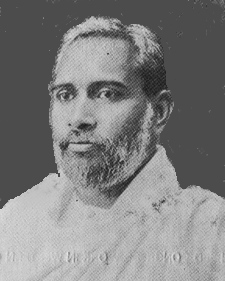
Nilakantha, the Teacher
In September 1920, at the request of Sir Ashutosh Mukherjee and with Gopabandhu’s consent, Nilakantha joined Calcutta University as a professor. However, after only three months, he resigned and joined Gopabandhu in Sambalpur to participate in Mahatma Gandhi’s independence movement.
Nilakantha was also deeply inspired by Utkal Gaurav Madhusudan Das and among the first to sign at his Utkal Sammilani Conference in 1903. Together with Gopabandhu and Madhu Babu, Nilakantha worked towards the formation of a unified, amalgamated Odisha, and later took a step beyond to make it an independent province – rather than a subprovince under another state in spite of its poor revenue at the time. Before his passing, Madhu Babu named Nilakantha as his political successor. (>> Ref: Das Benhur book – Page?)
Legislative Career (In Delhi and in the Odisha Assembly)
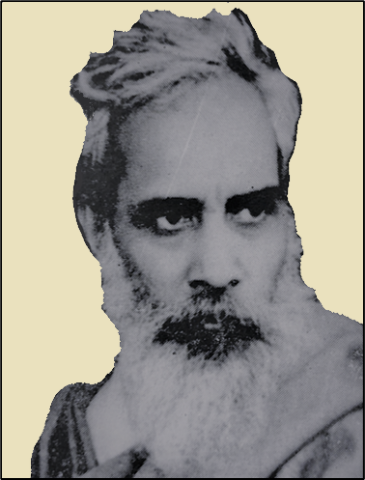
Pandit Nilakantha, the Legislator (in Delhi)
To champion Odisha’s cause, Nilakantha entered the Delhi Central Assembly in 1924 (under the Government of India Act of 1919), where the members could bring resolutions to the Government’s attention for implementing changes for Indian citizens. As an elected member, he served Odisha for over 16 years (1924-1945 except for 1931-1935 when the Congress party boycotted working with the British government). His speeches and resolutions there brought national attention to Odisha’s need In 1945, Pandit Nilakantha was denied a Congress Party Central ticket for his earlier support of Netaji Subhas Bose. So, he took a break from politics and focused on journalism, literature, and research on the Odia language. His vast knowledge of Odia language, history, Sanskrit, Aryan culture and philosophy helped him author many acclaimed works during this period.
In 1956, Utkal University conferred upon him an honorary D.Litt. degree.Nilakantha re-entered politics in 1951 – in Odisha, first as an independent opposition party member (1952-1955), and then as the Speaker of the Odisha Assembly under the joint ministry of the Congress and the Ganatantra party (1957-1961). In 1955, at the request of Prime Minister Nehru and Odisha Chief Minister Sri Nabakrushna Choudhury, he formally rejoined the Congress party. He was regarded very highly there by members of all political parties for his wisdom, impartiality, and political acumen.
Journalism and Literary Contributions
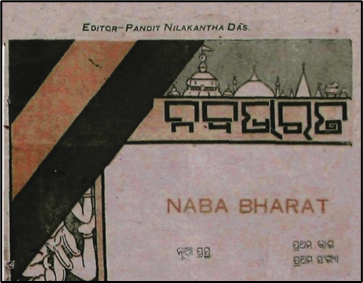
As a journalist, Nilakantha edited four major journals: Satyabadi, Seba, NabaBharat, and Lokamata – for different purposes. These publications were widely respected by the public; and NabaBharat was considered the gold standard in journalism in Odisha at the time. Through his editorials and other writings, he advocated against social orthodoxy and narrow-mindedness, highlighting their detrimental effects on society.
Personal Life and Final Years
Nilakantha was married at the age of 20 to ten-year-old Radhamani Debi, from a modest Brahmin family in a neighbouring village. He rejected lucrative dowries from wealthier families, guided by principle. Radhamani Debi remained a devoted supporter of Nilakantha and his causes throughout her life.
Though he suffered from ailments such as diabetes in his later years, Nilakantha remained active in literary pursuits. In 1963, he wrote his autobiography Atma Jeebani for which he received the Central Sahitya Akademi award in 1964. In 1957, he was honored with the Padma Bhushan award by the Government of India—presented personally by his friend (and jail-mate during the Indian Independence movement), Dr. Rajendra Prasad, at his Bhubaneswar residence.
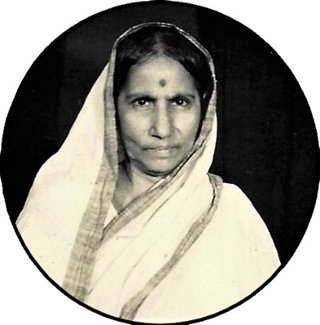
Smt. Radhamani Debi
When he joined the national freedom fight, Nilakantha left his young family in the care of his father-in-law. He had two sons and five daughters, but lost the two elder daughters in their childhoods when he was away for the National cause in Sambalpur (1921), or in jail (1923) – getting the sad news only afterwards.
Despite his national stature, Nilakantha remained deeply connected with his village roots. He often travelled by bullock cart from the Sakhigopal railway station to his home while serving as a member of Parliament. and even much later. He did not possess any house anywhere other than his renovated ancestral village home and didn’t own a car until late in life. He spent his last days in Cuttack at the Government residence of his son-in-law to access medical care.
Honors and Memorials
Pandit Nilakantha passed away on November 6, 1967. He was cremated with full state honour at Sakhigopal alongside Pandit Gopabandhu and other members of the Satyabadi group. The Odisha Government declared it a state holiday in his honor, recognizing his pivotal role in making Odisha an independent province on April 1, 1936, and for other outstanding contributions to Odisha.
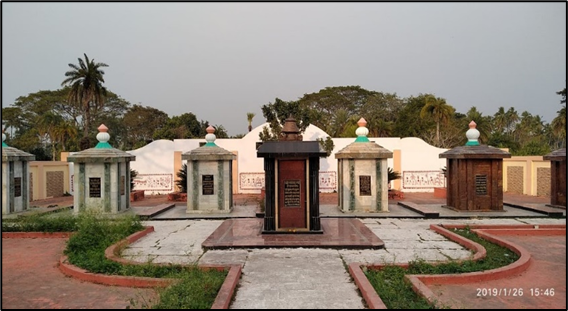
Pancha-Sakha Cremation ground Memorial-park in Sakhigopal
Nilakantha’s statues have been installed at several places in Odisha, including the one in front of the Odisha Assembly, and another in Calcutta. Later, in 1979, a foundation named Nilakantha Smruti Samiti, was established to preserve his legacy.
accomplishments
Pandit Nilakantha Das (1884-1967), one of the most erudite figures of 20th-Century Odisha and a tireless seeker of truth, had left his indelible mark across numerous fields in Odisha and India, notably – educational, political, literary, and philosophical. What follows is a brief overview of the diverse contributions of this great man and polymath, of 20th-century Odisha.Many first-hand accounts of Nilakantha’s accomplishments can be found in the writings of his students, colleagues, political associates, friends and admirers. These are available as the Nilakantha Smaraki collection, published by Nilakantha Smruti Samiti and featured on this Website, alongside his own works.
Pandit Nilakantha’s legacy can broadly be categorized into three major spheres, as presented below:
- As a Legislator
- As a Litterateur and Philosopher, and
- As a Teacher and Social Reformer
The Legislator
At the dawn of the 20th century, when Nilakantha was a young boy, India was a British Colony, and Odisha of the earlier era was dismembered and subjugated to other British Presidencies; namely: Bengal, Madras and the Central Province. Odias were subjected to inferior treatment and suffered excessively. Later its coastal region and Sambalpur area were put under Bihar province. So, with his mentor Utkalamani Gopabandhu and motivator Madhu Babu, Nilakantha devoted his energy to alleviate these woos of his motherland.
In summary: Nilakantha served as a member of the Delhi Central Assembly from Odisha for nearly two decades. Among others, his following actions are well-known:
- Introduced many bills and argued on the floor toward the creation of an independent Odisha Province on a linguistic basis
- As a Labour Leader, advocated for labor rights, improvement for Indian Railway workers
- Demanded to eliminate the Salt tax in Odisha
- Introduced the bill for the return of Netaji Subhas from Austria
- Pandit Nilakantha, being a renowned academician, was also appointed as a member of Delhi University senate, where he served for seven years. (This helped him in later years to create the plan for Utkal University.) He was widely respected among peers, including Dr. Rajendra Prasad, Pandit Jawaharlal Nehru, and Pandit Madan Mohan Malaviya.
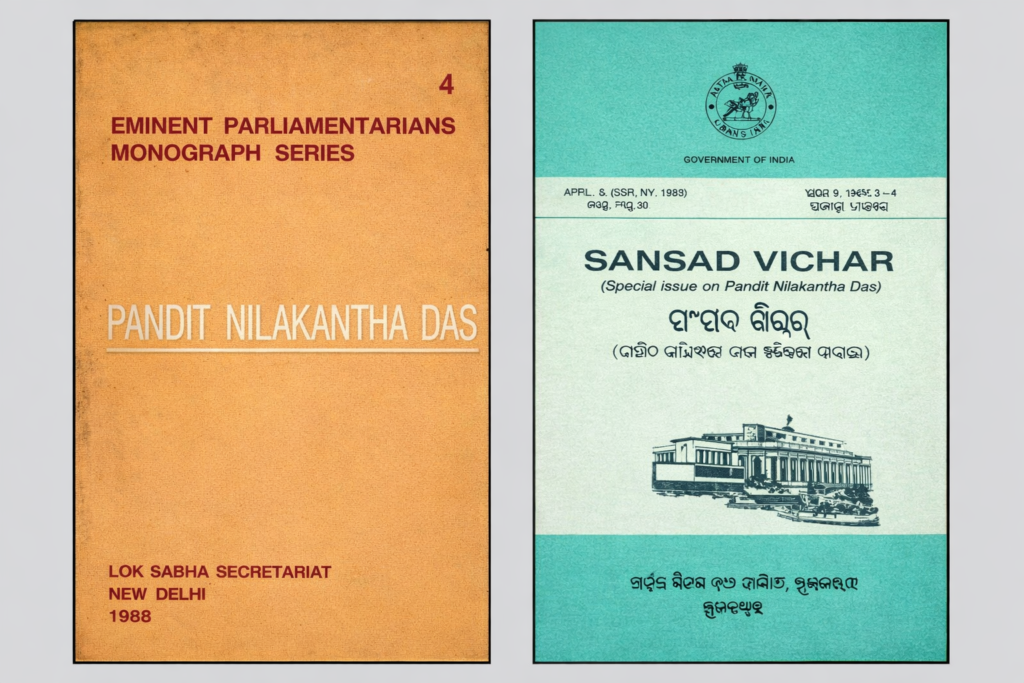
In Odisha, Nilakantha played a key role in merging Ganjam, Koraput, and Paralakhemundi with the newly formed province in 1936. As a member of the Odisha Assembly from 1952, he worked to ensure the independence of the Speaker’s office as is guaranteed under the Indian Constitution. He was regarded as one of the great Parliamentarians of the time, both in India and in Odisha. Some of his important arguments and speeches on the Parliament floor are available under the Eminent Parliamentarians Series – (Volume 4, 1980), a publication by the Delhi Central Assembly, and as a special edition called Sansad Vichar (1991) by the Odisha Assembly.
The Litterateur, Philosopher, Journalist…
- Litterateur
Pandit Nilakantha possessed mastery in Odia, English, Sanskrit, and Hindi languages. He conducted pioneering research in the fields of history, language, culture, etc. related to Odisha and India. His works include treatise like Odia Sahityara Krama Parinama, Sanskuta O Sanskruti, kavyas like Konarke, Kharavela, and adaptations: Pranayini and Dasa Nayak.
Konarke was Nilakantha’s most famous kavya, written in his thirties. This first part of this two-part book depicts the past glories of Odisha – as told by a school teacher to his students; the second part narrates the love story of King Narasingha Deb and his first queen Mayadevi in whose honor he built the Konark temple.
His other kavya Kharavela tells the story of Odisha’s famous king Kharavela, and his marriage to the Vajir princess Dhusi.
The other two books, Pranayini and Dasa Nayak, are adaptions of Tennyson’s books The Princess and Enoch Arden respectively. They were written by Nilakantha when he was in jail during the Indian Independence struggle.He also authored many books, including the Children’s Ramayana, Mahabharat, and Bhagavad in simple language for the children of Odisha.
Pandit Nilakantha wrote a grammar book for children and tried to simplify the Odia Lipi or script, especially the Yuktakshars, to help future generations to read/write Odia more easily. Although politically not accepted at the time, his reforms nonetheless showed his concern for education, and the value of such reform is evident to common people.
- Philosopher
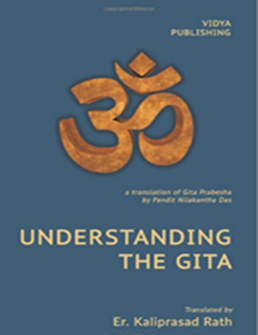
Nilakantha’s great philosophical contributions include the two religious books: Gita Bhasya (Interpretation of The Gita) and Gita Prabesh (Understanding the Gita). He wrote these in Odia for the common people of Odisha, who did access to such religious teachings. (An English translation of Gita Prabesh, shown here, is also now available.)
His other philosophical books are: BhaktiGatha, originally written at Satyabadi School for students’ prayers, and AryaJeevan. A Hindi version of AryaJeevan was later written by the litterateur Jainendra Kumar after many philosophical discourses with Nilakantha. Nilakantha dedicated Arya Jeeven to Pandit Gopabandhu for his many Godly qualities.
Pandit Nilakantha served as a member and President of the Indian Philosophical Society. He believed and advocated Jagannath as the Universal Lord, and many of his philosophical writings represent that.
- Journalist
Nilakantha edited four key journals (Satyabadi, Seba, NabaBharat and Lokamata) at different times. NabaBharat was considered the gold standard in Odia journalism at the time, influencing public discourse deeply.
- Teacher and Social Reformer
Nilakantha, as the famous Headmaster of Satyabadi Bana Vidyalaya championed holistic education, with a deep love for his pupils. The achievements of his students, and their tributes to Nilakantha, are illustrated in Nilakantha Smaraki volumes.
Further Resources
This website hosts most of Pandit Nilakantha’s books and many journal articles, as well as the Nilakantha Smarakis, including the first one, named Nilakantha Smaranika (1969), in the form of a digital library. It also houses digital copies of books, Ph.D. theses, and articles discussing his genius, patriotism, and multifaceted legacy authored by others. The English translations of some of his books (shown here) are not included in this Digital Library, but can be purchased independently.
profile in courage
From his early years, Nilakantha was guided by a strong ethical sense and quiet courage.
He spoke and acted according to what he believed to be true, without fear of consequences or concern for personal gain.
This quality remained with him throughout his life – in scholarship, in public debate, and in the political sphere; sometimes even at great personal cost.
Some examples of Pandit Nilakantha’s courage are presented here.
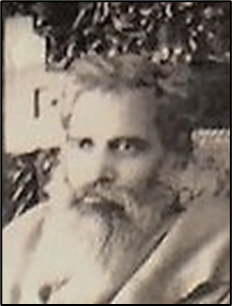
In Delhi Parliament
When Pandit Nilakantha Das served as a member of the Delhi Central Assembly (1924–1930, 1935–1945), he carved out a distinct place for himself through fearless and persuasive arguments on the Assembly floor.N. Pande, former Governor of Odisha (1984–1988), who had personally witnessed these debates, later recalled:
“When Nilakantha spoke, people used to say, ‘The Lion of Orissa is roaring!’”
It is worth noting that this was a period when many members of the Central Assembly were scarcely aware of the existence of a region called Odisha.
(Source: Lok Sabha Secretariat, Eminent Parliamentarian Monograph Series, No. 4: Pandit Nilakantha Das, New Delhi, 1990, p. 17., >> Add Link )
Even in later years, those who came to meet him for any discussion, knew they had to come fully prepared, as he did not take lightly arguments that were careless or superficial.
In the Odisha Legislative Assembly
Nilakantha’s fiercely independent spirit became especially visible during his tenure as Speaker of the Odisha Legislative Assembly beginning in 1957, at a politically difficult time when a joint ministry of two parties with opposing ideologies governed the state.
According to existing administrative practice, the Speaker was expected to function under the control of the State Home Department. Nilakantha firmly opposed this arrangement. He argued that the Legislative Assembly—which makes the law—could not be placed under the authority of a department whose role was merely to enforce that law.
When leaders of the ministry failed to address this concern, Nilakantha calmly stated that he would otherwise have no choice but to lock the Assembly (as the key to the House rested with the Speaker). As a result of this principled stand, appropriate administrative and legal measures were put in place, elevating the Speaker’s rank to that of a cabinet minister and ensuring the office’s independent functioning. (See linked reference for details.)
As a Scholar of the Indian Constitution
In another notable instance of courage, following the dissolution of Odisha’s joint ministry in 1961, Nilakantha was expected—by convention—to vacate the Speaker’s chair along with the ministry.
Well-versed in the Indian Constitution, Nilakantha argued that its Article 179(c) clearly stated that the Speaker would remain in office until a new government was formed and a new Speaker was elected. Although precedents in states such as Kerala and Punjab had followed the practice of the Speaker resigning with the ministry, Nilakantha challenged this convention directly.
He posed a simple but profound question to the authorities:
“Should tradition prevail, or should the Constitution?”
Pandit Jawaharlal Nehru and Dr. B. C. Roy, then Chief Minister of West Bengal, ultimately upheld Nilakantha’s constitutional interpretation. Having established the principle, Nilakantha promptly resigned from the speakership, so that no misconception of personal gain could arise from his stand.
Among His People
In the early 1950s, Nilakantha and his lifelong friend Pandit Godabarish Mishra formed a new opposition party, named Swadhin Janasangha, to provide balance and accountability in the Odisha Legislative Assembly against the dominant Congress leadership.
A vivid example of Nilakantha’s fearless courage and integrity emerged during an election meeting at Kothagada Fort in Banapur, near Chilika Lake. When Nilakantha was publicly challenged about his political strength as an opposition leader facing a powerful ruling party, Nilakantha responded with unmistakable confidence.
This moment was captured in an Odia poem by the poet, Sri Gopinath Senapati, and published in the Nilakantha Smaraki, Volume 1 (1982, page 113, >>Link), which offers a glimpse of how he was seen — and felt — by ordinary people who heard him speak.
A simple English translation is given below. While it cannot capture the rhyme and rhythm of the original, it conveys the spirit of the moment.
The Call of the Hero
One day, a huge crowd gathered at Kothagada Fort in Banapur.
The air was charged with excitement.
It was election time, and people wondered:
Who would now claim the loyalty of this land. (1)
Even though the meeting itself was not very grand,
People came in thousands, just to see their beloved leader.
Men and women stood without hesitation,
offering respect and devotion at his feet. (2)
Nilakantha presided over the meeting that day,
Neck bedecked with many a garland placed by them,
and the crowd watched him in silence and expectation.
Everyone felt that something important was about to happen. (3)
Just then, a naive man from the audience stood up and asked:
“In the whole of Odisha, there are only two of you in party Janasangh.
How will you ever stand against
the huge and clever party of Congress?” (4)
Before the question was even fully spoken,
Nilakantha rose like a lion.
His eyes flashed, his voice thundered, and
the sudden surge of his energy was felt by the crowd. (5)
He declared with bold confidence:
“If the two (*) of us sit on the opposition benches,
Then all the clever tricks of the ruling party will disappear.
With just a glance from us,
Their careful schemes will quickly fall to the floor.” (6)
Then, smiling like a fearless warrior, he added:
“When monkeys crowd the branches of a tree,
What happens when a powerful tiger roars?
Can they stand their ground, or do they all scatter in fear?” (7)
The crowd burst into loud applause.
Cheers echoed again and again,
as if the earth and sky themselves were shaking.
Even today, the memory of that moment stirs the heart.
With folded hands, we remember and honour thee,
and pray that the land of Kothagada Fort
may always tremble with such fearless pride. (8)
(*) ‘two’ refers to Pandit Nilakantha and his close friend and colleague Pandit Godabarish Mishra.
These acts of courage did not belong only to Nilakantha’s years of authority or public acclaim. Even in later life, after stepping down from office and while facing declining health, he continued to uphold the principles he had defended throughout his career. With no personal residence in any city and requiring medical care, he accepted personal inconvenience with quiet resolve, never allowing circumstance to dilute conviction. His courage, grounded in conscience rather than position, remained unchanged to the end.
quotes from PANDIT Nilakantha's work (English)
“Not Gaura, Shankar, Buddha, nor the customary verses of the Puranas,
do I embrace;
Neither do I care for the reasonings of Patanjali and Charbak,
Or the society’s countless structured religions.
But tell me - how to find your loving grace
Amidst the world’s vast wonders,
… and in the nature’s every space?”
- BhaktiGatha *
“I stand here not for a language alone, but for a language linked to a culture. …
Here there is a language which has been linked for thousands of years to a distinct culture
which has something to give to the federal nationality of India…”
- Speech in Delhi Central Assembly on 8th February 1927 – Justifying why to make Odisha an independent province (not a sub-province) - on a linguistic basis
“The more I gather experience as a teacher,
the more I cherish being among children.
I wish to depart from this world only from a teacher's chair…
enveloped by their radiant, youthful faces.
To me, it is nothing less than a fairy world I inhabit.”
- Letter to friend Sushil Chandra Dey from Satyabadi School - 1915
“...If the female falls, the male cannot stand tall.
In chains or in freedom, men and women walk as one!<br.
From earliest dawn, the female is nurtured by the male,
In Nature's grand design, in a sacred bond,
They ascend together, hand in hand, progress's carved steps beyond."
- Pranayini (adaption of Tennyson’s The Princess) *
Thus it is that Orissa is the holiest of lands in the Hindu world for its Jagannath,
whose history and significance as the Purusha,
representing the entire universe both monumental and phenomenal,
has no parallel in the religious conception of humanity.
- On Jagannath Culture: Orissa Historical Research Journal, April 1958
"Oh, sea gale, do tell me, from which land have you come?
Do you carry tidings of any Odia ships from that part?
As you drive these rains, sweeping the blue ocean waves,
On the ripples of time, my memory drifts to that past!"
- Ramachandi Thare Rati (Konarke Part 1) *
I like and respect ‘reasoning’ better than ‘plain devotion’.
- Atma Jeebani *
quotes from PANDIT Nilakantha's work (Odia)
(ପଣ୍ଡିତ ନୀଳକଣ୍ଠ ଦାସଙ୍କ ବିଭିନ୍ନ ଲେଖାରୁ ଉଦ୍ଧୃତ କିୟଦଂଶ )
“ଗଉର, ଶଙ୍କର, ବୁଦ୍ଧ ଲୋଡା ନାହିଁ ମୋର; ନାହିଁ ଲୋଡା ପୁରାଣର ପ୍ରଥିତ ବଚନ;
ପାତଞ୍ଜଳ ନୀତିତନ୍ତ୍ର, ଚାର୍ବକ ଚହଳ; ସମାଜର ବିଧିବଦ୍ଧ ଧର୍ମ ଅନୁଷ୍ଠାନ;
ତୁମ୍ଭରି ଜଗତ ଭାସେ, ପ୍ରକୃତିର ଚାରୁ ହାସେ,
କମେନ୍ତେ ଦେଖିବି କହ ସେ ହାସ ନିଦାନ?
- ଭକ୍ତିଗାଥା
ମୁଁ ଏଠାରେ କେବଳ ଏକ ସାଧାରଣ ଭାଷାର ପ୍ରତିନିଧିତ୍ଵ କରୁନାହିଁ ,
କରୁଛି ଏକ ସଂସ୍କୃତି ସହିତ ଜଡିତ ଭାଷାର |
ଏହା ଏକ ଭାଷା ଯେ କି ସହସ୍ର ବର୍ଷ ଧରି ଏକ ସ୍ଵତନ୍ତ୍ର ସଂସ୍କୃତି ସହିତ ଜଡିତ,
ଯେ କି ସମଗ୍ର ଭାରତୀୟ ସଭ୍ୟତାକୁ ବହୁତ କିଛି ଅବଦାନ କରିପାରେ|
ଦିଲ୍ଲୀ ବଡଲାଟ ସଭାରେ ଓଡିଶା ଭାଷା ଭିତ୍ତିରେ ସ୍ବତନ୍ତ୍ର ପ୍ରଦେଶ ହେବାପାଇଁ (ଓ ଅନ୍ୟ କୌଣସି ପ୍ରଦେଶ ସହିତ ଯୁକ୍ତ ହୋଇ ନ ରହିବା ପାଇଁ)
ଦାବୀ କରି ଦେଇଥିବା ବକ୍ତବ୍ୟର କୀୟଦଂଶ (୮ ଫେବୃୟାରୀ ୧୯୨୭ ) (*)
ଶିକ୍ଷକ ଭାବେ ମୋର ଅନୁଭୂତି ଯେତେ ବଢୁଛି, ସେତେ ମୁଁ ପିଲାଙ୍କ ସଙ୍ଗେ ରହିବାକୁ ଭଲ ପାଉଛି |
ମୁଁ ଶିକ୍ଷକ ଆସନରେ ହିଁ ମୃତ୍ୟୁ ବରଣ କରିବାକୁ ଚାହେଁ |
ସଦା ହାସ୍ୟମୟ ଉଜ୍ଜ୍ଵଳ ମୁଖ ମଣ୍ଡଳ ବେଷ୍ଟନୀରେ,
ମତେ ପରୀ ରାଜ୍ୟରେ ରହିବା ପରି ପ୍ରତ୍ୟୟ ହେଉଛି |
ବନ୍ଧୁ ‘ସୁଶୀଲ ଚନ୍ଦ୍ର ଦେ’ଙ୍କୁ ସତ୍ୟବାଦୀ ସ୍କୁଲରୁ ଲିଖିତ ପତ୍ର – ୧୯୧୫ (*)
... ଯେବେ ଲଇଁବେ ରମଣୀ, ଅବନତ ହେବେ ନରେ |
ଦାସତ୍ୱ ପୀଡ଼ନେ ସ୍ଵାଧୀନତା ଖେଳେ ଅବା,ରମଣୀ ପୁରୁଷ ନୁହନ୍ତି ଅଲଗା କେବେ,
ଜନମୁ ରମଣୀ ବଢଇ ପୁରୁଷ-ସନେ, ପ୍ରକୃତିର ଖେଳେ ରମଣୀ ପୁରୁଷ ମିଳି,
ଉଠି ପଦେ ପଦେ ଯାଆନ୍ତି ଗୋ ବିକାଶର ସୁସଞ୍ଚ ସୋପାନେ |
ପ୍ରଣୟିନୀ କାବ୍ୟ (କବି ଟେନିସନଙ୍କର The Princess କବିତା ଛାୟାରେ ଲିଖିତ)
ତେଣୁ ଓଡ଼ିଶା, ଏହାର ଜଗନ୍ନାଥଙ୍କ ଯୋଗୁଁ, ହିନ୍ଦୁ ଜଗତରେ ସବୁଠାରୁ ପବିତ୍ର ସ୍ଥାନ |
କାରଣ ପୁରୁଷ (ବ୍ରହ୍ମ)ରୂପେ ତାଙ୍କର ଐତିହ୍ୟ ଏବଂ ମହତ୍ତ୍ଵ ଯେପରି ଅକଳନୀୟ ଓ ଅସାଧାରଣ ଭାବେ
ସାରା ବିଶ୍ଵର ପ୍ରତିନିଧିତ୍ଵ କରେ,
ସମଗ୍ର ମାନବ ଜାତିର ଧର୍ମ ଚେତନାରେ ତାର କୌଣସି ତୁଳନା ନାହିଁ |
- On Jagannath Culture: Orissa Historical Research Journal, April 1958
କେଉଁ ରାଇଜରୁ ଆସିଛୁ କହ ବତାସି ମୋରେ,
ଓଡ଼ିଆ ବୋଇତ ଖବର କିଛି ଆଣିଛୁ କିରେ ?
ନୀଳ ବୀଚି ଭାଙ୍ଗି ଆଣୁଛୁ ତଡି ବରଷା ଧାରା,
କାଳ ବୀଚି ଭାଙ୍ଗି ସ୍ମରଣ ଦୂରେ ଯାଉଛି ପରା |
ରାମଚଣ୍ଡୀ ଠାରେ ରାତି (କୋଣାର୍କେ ପ୍ରଥମ ଭାଗ)
ମୁଁ ଯୁକ୍ତିକୁ ଭାବଠାରୁ ବେଶୀ ଆଦର ଓ ସମ୍ମାନ କରେ |
ଆତ୍ମ ଜୀବନୀ
obeisance
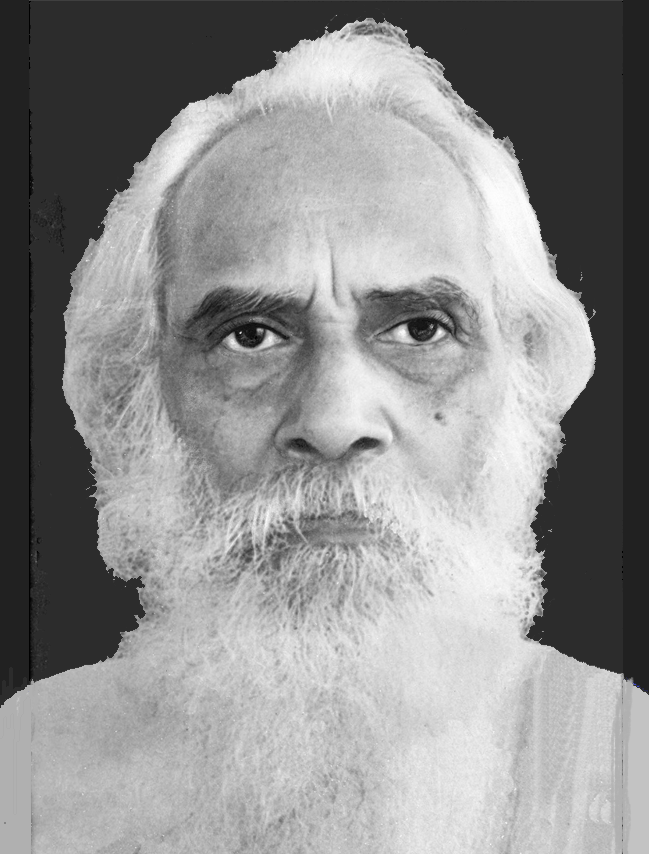
During Pandit Nilakantha’s life, and after his death, many articles and poems have been written by people – both the elite and the not-so-educated, expressing their respect and gratitude towards the larger-than-life man who had fought for them tirelessly, both in Odisha and in India – especially for the youth, the poor, the labourers, as well as for the Indian Railways, Steel and associated Industries. Several personal remembrances were also delivered by many Indian political leaders honouring him. We present a few such articles, from different perspectives, retrieved from the Nilakantha Smarakis and other books – as referenced here.
କାହିଁ ଗଲେ ସେ ଦେବତା
By: Dr. Bikram Das (Chauraasi Kabita)
(୧୯୫୧ ନିର୍ବାଚନର ପଣ୍ଡିତ ନୀଳକଣ୍ଠ ଦାସଙ୍କ ନିର୍ବାଚନକର୍ମୀ ଡାକ୍ତର କେଶବ ବଳିଆରସିଂହଙ୍କ ଅନୁଭୂତିରୁ)
ମାର୍ଗଶୀର ମାସ ଶୀତ ଥୁରୁଥିରୁ ଖଣ୍ଡିଆ କନାରେ ଦେହ ଆବୋରି,
ଦର ବୁଢୀଟିଏ ‘କଣାସ’ ଦାଣ୍ଡରେ ଭୋଅଟ ଅଫିସ ଖୋଜଇ ବୁଲି ।
ଛଅଟି ପରାଣୀ ପୋଷଇ ସେ ନିତି ଧାନ କୁଟା କଣ୍ଡା ତାର ବେଉସା
ଭୋଅଟ ହୋଇବ ଅଫିସ ବସିବ ବୁଣା ହେବ ପରା ବହୁ ପଇସା । 1 ।
ପକା ଅଫିସରେ ବଡ ବଡ ବାବୁ ହୋଟେଲ ଖିଆଳି, ଆସିଲା ଛାଡ଼ି
ଚାଞ୍ଚ ଚାଳିଘରେ ଦେଖିଲା ସେ ‘ଫଟୋ’ ଗପୁଥିଲେ କର୍ମୀ ଚୋବାଇ ମୁଢି ।
କେ ଜଣେ କହିଲା, କିସ ତୋର ଲୋଡା, ଦେଶସେବୀଙ୍କର ଏହି ଅଫିସି,
ଘେନି ଯାଅ ଧାନ, ଚାଉଳ କରିବୁ ଦେବୁ ତୋର ଭାଗ ଏଥିରୁ କିଛି । 2 ।
ବୁଢୀ କହେ ବାବୁ, ବଡ ଗରିବ ମୁଁ ଭାଗେ ମୋ ଚାଉଳ, ନେବି ମୁଁ କୁଣ୍ଡା
ନିଜର ମୁଣ୍ଡରେ ମୁଣ୍ଡାଇ ଆଣିବି ଦେବ ହେ ପଇସା ଆଉ ଦି ଗଣ୍ଡା ।
ଦୁଇ ଦିନ ପରେ ଆସିଲା ସେ ବୁଢୀ ମୁଣ୍ଡରେ ବୋଝାଇ ଚାଉଳ ଖୁଦ
ଆଖିରୁ ଦି ଟୋପା ଲୁହ ପଡେ ଝରି କଥା ନ ପଇଟେ, ସ୍ଵର ଗଦ୍-ଗଦ । 3 ।
କହିଲା ବାବୁ ହେ ରଖ ସବୁତକ ପାଇଛି କାଲି ମୁଁ ତାହାର ମୂଲ
ଯେ ରୂପ ଦେଖିଲି ଯେ ଭାଷା ଶୁଣିଲି କି ମୂଲ ହୋଇବ ତାହାର ତୁଲ ।
କାଲି ନଈକୂଳେ ସଭା ହେଲାବେଳେ ଦେଖିଲି ତ ଏହି ଫଟୋ ମୂରତି
ଶହ ଶହ ମଥା ନଇଁ ପଡୁଥିଲା ଗୁପତେ ବାଢିଲି ମୋର ଭକତି । 4 ।
ଦୁଃଖୀ ଜନ ପାଇଁ ଯାହାର ଜୀବନ ସେ ନର ଦେବତା ସେଠାରେ ଉଭା
ତାଙ୍କ ଲୋକ ପାଇଁ ଚାଉଳ କାଣ୍ଡିବା ଏତିକି ତା ମୋର ଏ ଦେଶ ସେବା ।
ଲୋଡା ନାହିଁ ମୋର ପଇସା ଚାଉଳ ତାଙ୍କରି ଆଶୀଷ ମୋହର ଲୋଡା
ଘେନ ହେ ଏତକ, ଦିଅ ମୋତେ ବାବୁ ତାଙ୍କ ପଦେ ଲଗା ଫୁଲର ତୋଡା । 5 ।
ଥର ଥର ହୋଇ ଆସେ ଯେତେ ଭୋଟ ବୁଢୀ ତ କାହାକୁ ଆସଇ ଖୋଜି
ପାରିଲେଣି ପିଲେ ଅଛି ସିଏ ସୁଖେ ଅଣ୍ଟାଟି ଲଇଁଚି ଅଳପ ଭାଜି ।
ପାଇନାହିଁ ସିଏ ଦେଖିବ ତ ନାହିଁ ସେହି ‘ନୀଳକଣ୍ଠେ’ ଆଉ ଏ ଦେଶେ
ଯେ ଦେଶେ ଦେବତା ଯାଇଛନ୍ତି ଚାଲି ଚାହିଁଚି କେବଳ ତାହାରି ଆଶେ । 6 ।
English Narration
This poem is based on a true incident from the 1951 general election in Odisha, when Pandit Nilakantha Das contested as an independent candidate after parting ways with the Congress party, due to differences in opinion. It was described by an eye-witness, Dr. Keshab Baliar Singh, who worked as an election worker for Pandit Nilakantha.
With very limited financial resources, some of Nilakantha’s election workers lived and worked in modest conditions near the village Kanasa in Puri district. Their campaign office was a small, dilapidated cottage, where they lived on simple food, in contrast to other party’s workers.
The poem recounts the experience of a middle-aged, extremely poor woman who came in search of the “vote office,” expecting financial help, as was common during elections. Instead, she encountered a scene very different from what she had imagined — campaign workers living simply and eating puffed-rice, with a photo of their candidate hanging on the wall.
After attending an election meeting by the river and listening to Nilakantha’s speech, the woman returned to that office after a couple of days with rice that she had brought from her own home. She refused any payment, explaining that she had already received its value through what she had seen and heard in his speech, and wanted only some flowers offered to him there.
She regarded Nilakantha Das as someone whose life was devoted to the suffering and the poor, and she considered her small offering of rice as her own form of service to the country. In later years, during subsequent elections, she continued to look for him, though she never encountered him again.
The poem captures how integrity, simplicity, and moral authority were perceived by the poorest of the poor — without material exchange, persuasion, or promise.
ପରିପ୍ରଚାରର ଅନ୍ତରାଳରେ ନୀଳକଣ୍ଠ
ଆଡଭୋକେଟ ଯଦୁମଣି ଦାଶ ନୀଳକଣ୍ଠ ସ୍ମାରକୀ (୧) - 1982
୧୯୪୩-୪୪ ମସିହାର ଘଟଣା । ସେ ସମୟରେ ନୀଳକଣ୍ଠ କଟକରେ ଦୈନିକ ‘ନବଭାରତ’ର ସମ୍ପାଦନା କରୁଥାଆନ୍ତି ଓ ନ୍ୟାସନାଲ ୱାର ଫ୍ରଣ୍ଟର ନେତା ଥାଆନ୍ତି । ‘ନବଭାରତ’ର ସହକାରୀ ସମ୍ପାଦକ ଭାବେ ମୁଁ କାମ କରୁଥାଏ ଓ ‘ଲ’ ପଢୁ ଥାଏ । ନୀଳକଣ୍ଠ ବାବୁ ନବଭାରତ ପ୍ରେସରେ ରହୁ ଥାଆନ୍ତି ।
ସେ ଦିନ ନୀଳକଣ୍ଠ ବାବୁଙ୍କ ଗାଧୋଇବା ଆଗରୁ କେହି ଜଣେ ପ୍ରେସ କର୍ମଚାରୀ ବାରଣ୍ଡାରେ ପାଣି ଥୋଇଦେଇ ମତେ ଆସି କିଏ ତଳେ ଡାକୁଛନ୍ତି ବୋଲି ଖବର ଦେଲା । ତଳକୁ ଯାଇ ଦେଖିଲି ସେ କାଳର ଜଣେ ରାଜନୈତିକ ନେତା ଘୋଡା ଗାଡ଼ି ପାଖେ ଠିଆ ହୋଇଛନ୍ତି । ମତେ ପଚାରିଲେ “ନୀଳକଣ୍ଠ ବାବୁ କଅଣ କରୁଛନ୍ତି ?“ ସେ ଖଟରେ ଗଡପଡ ହେଉଥିବା କଥା ମୁଁ କହିଲି । ତାଙ୍କ ଆସିବା ବିଷୟ ନୀଳକଣ୍ଠ ବାବୁଙ୍କୁ ଜଣାଇବାକୁ ସେ ମତେ କହିଲେ । ନୀଳକଣ୍ଠ ବାବୁଙ୍କ ସହିତ ତାଙ୍କର ସେତେବେଳେ ରାଜନୀତି କ୍ଷେତ୍ରରେ ଖୁବ୍ ବିରୋଧ ଥିବା ମୁଁ ଜାଣିଥିଲି ଓ ଅଳ୍ପ ଦିନ ଆଗରୁ ସେ ତାଙ୍କୁ ରାଜନୀତିକ ସ୍ତରରେ ଖୁବ୍ ଅପମାନ ଓ ଅପଦସ୍ତ କରିଥିଲେ ଏବଂ ତାଙ୍କର ପ୍ରଭୂତ କ୍ଷତି କରିଥିଲେ ବୋଲି ମଧ୍ୟ ଶୁଣିଥିଲି । ମୁଁ ଭାବିଲି ନୀଳକଣ୍ଠବାବୁ ଏ ମହାଶୟ ଆସିଥିବା ଶୁଣି ସମ୍ଭବତଃ ଖୁବ୍ ରାଗିବେ । କିନ୍ତୁ ସେ ଧୀର ସ୍ଥିର ଭାବରେ କହିଲେ ‘ତାଙ୍କୁ ଡାକି ଦିଅ’ । ମୁଁ ଯାଇ ଡାକିଦେଲି । ସେ ଆସି ନୀଳକଣ୍ଠବାବୁଙ୍କ ଘରକୁ ଗଲେ ।
ତାଙ୍କୁ ସେଠି ଛାଡିଦେଇ ମୁଁ ମୋ କୋଠରୀକୁ ଫେରି ଆସିଲି — ୨ । ୩ ମିନିଟ ପରେ ମତେ ଡାକି ବ୍ୟାଙ୍କରେ କେତେ ଟଙ୍କା ଅଛି ବୋଲି ନୀଳକଣ୍ଠ ବାବୁ ପଚାରିଲେ । ତାଙ୍କର ସେ ସମୟରେ ତିନିଶହ ଦଶ କି ପନ୍ଦର ଟଙ୍କା ମାତ୍ର ଥିଲା । ମୋ ଠାରୁ ଏହା ଶୁଣିଲା ପରେ ସେ କିଛି ନ ଭାବି ତିନିଶହ ଟଙ୍କାର ଖଣ୍ଡିଏ ଚେକ୍ ଲେଖି ସେହି ଭଦ୍ରଲୋକଙ୍କ ହାତକୁ ବଢାଇ ଦେଲେ । ସେ ଯିବା ପରେ, ସେ ସମୟର ଜଣେ ପ୍ରେସ କର୍ମଚାରୀ ଓ ମୁଁ ବିରକ୍ତ ହୋଇ, କର୍ମଚାରୀମାନଙ୍କୁ କିପରି ମଜୁରୀ ଦିଆଯିବ ବୋଲି କହିଲୁ । ନୀଳକଣ୍ଠ ବାବୁ ତାଙ୍କର ବ୍ୟାଗ କାଢିଲେ । ସେଥିରେ ଦଶ ଟଙ୍କିଆ ନୋଟଟିଏ ଥିଲା । ସେଇଟି ଦେଇ କହିଲେ ‘ଏଥିରେ କାମ ଚଳାଅ, ପରେ ଦେଖିବା ।‘ (ଅବଶ୍ୟ ସେତେବେଳର ଦଶ ଟଙ୍କା ଏବର ଶହେ ଟଙ୍କା । ) ମୁଁ କିନ୍ତୁ ସନ୍ତୁଷ୍ଟ ରହି ପାରିଲି ନାହିଁ । ପ୍ରତିବାଦ କରି କହିଲି, “ନିର୍ବିଚାର ଦାନ ଭଲ ନୁହେଁ ।“ ଆଗନ୍ତୁକଙ୍କର ପୂର୍ବ କାର୍ଯ୍ୟ କଳାପ ମଧ୍ୟ ସ୍ମରଣ କରାଇ ଦେଲି ।
ନୀଳକଣ୍ଠ ବାବୁ ସାମାନ୍ୟ ହସି କହିଲେ, “ତାର ସେପରି ଅସୁବିଧା ପଡ଼ି ନ ଥିଲେ, ସେ ଏଇ ମୁଣ୍ଡଫଟା ଖରାରେ ମୋ ପାଖକୁ ଆସି ନା ଥାଆନ୍ତା । ମୋ ବିରୁଦ୍ଧରେ ତାର କାର୍ଯ୍ୟକଳାପ ଓ ପ୍ରଚାର କଥା ଯାହା ତୁମେ କହୁଚ, ସେ ସବୁ କରି ଓ ମୁଁ ସେ ସବୁକୁ ଜାଣେ ବୋଲି ଜାଣି ମଧ୍ୟ, ମୁଁ ଯେ ତାକୁ ନିଶ୍ଚୟ ସାହାଯ୍ୟ କରିବି, ଏହି ଭାବି ସେ ଆସିଚି । ମୋ ଉଦାରତା ଉପରେ ସେ ଆସ୍ଥା ରଖିଥିବା ବେଳେ ତୁମେ ମତେ କହୁଚ ମୁଁ ତାକୁ ଜଣାନ୍ତି ଯେ ସାଧାରଣ ନୀଚତା ମୋ ଠାରେ ଅଛି ! ଇଏ ତ ଭଲ ପରାମର୍ଶ ନୁହେଁ । ଏହା ବାଇବେଲର ସୟତାନର ପରାମର୍ଶ ।”
ଏଥିକୁ ମୋର କୌଣସି ଉତ୍ତର ନ ଥିଲା । ତଥାପି ମୁଁ ସନ୍ତୁଷ୍ଟ ନ ହୋଇ କହିଲି, “ଶୁଝିବାର ଉଦାରତା ଥିଲେ ହେଲା ।” ସେ ସାଙ୍ଗେ ସାଙ୍ଗେ କହିଲେ, “ମୁଁ ଜାଣେ, ସେ ମୋ ଠାରୁ ଧାର ନେଇଥିବା ବିଷୟ ଯଥାଶୀଘ୍ର ପାସୋରି ଦେବାକୁ ଚେଷ୍ଟା କରିବ । ଶୁଝିବା ତ ଦୂରର କଥା ।“
(English Translation)
Nilakantha Beyond Public Propaganda
(By Advocate Jadumani Das)
Nilakantha Smaraki (Vol. 1 – 1982)
This incident dates back to 1943–44. At the time, Pandit Nilakantha Das was editing the daily newspaper Nababharat in Cuttack and was also a leader of the National War Front. I was working as the Assistant Editor of Nababharat while studying law. Nilakantha Babu lived on the premises of the Nababharat press.
* * *
One morning, before Nilakantha Babu had finished his bath, a press worker informed me that someone was calling for him downstairs. When I went down, I saw a well-known political leader of that time standing beside a horse-drawn carriage. He asked me what Nilakantha Babu was doing. I replied that he was resting on his cot. He then asked me to inform Nilakantha Babu of his arrival.
I was aware that this visitor had strong political differences with Nilakantha Babu. Only a few days earlier, he had publicly insulted and politically undermined him, causing him considerable harm. I therefore assumed that Nilakantha Babu would be angry on hearing that this person had come to see him.
Instead, he calmly said, “Ask him to come in.”
I conveyed the message. The visitor went inside Nilakantha Babu’s room.
I returned to my own room. After about two or three minutes, Nilakantha Babu called me and asked how much money there was in the bank. I told him that he had only around three hundred ten or fifteen rupees at that time. On hearing this, without any hesitation, he wrote a cheque for three hundred rupees and handed it to the visitor.
After the man left, a press worker and I expressed our concern about how wages would be paid to the employees. Nilakantha Babu opened his bag. Inside was a single ten-rupee note. Handing it to us, he said, “Manage with this for now; we will see later.” (At that time, ten rupees had the value of about one hundred rupees today.)
I could not remain satisfied. I protested, saying, “Indiscriminate charity is not good,” and reminded him of the visitor’s earlier actions against him.
Nilakantha Babu smiled gently and said: “If he were not in serious difficulty, he would not have come to me in this scorching heat. Even after doing all that you mentioned against me, and knowing that I am fully aware of it, he still came, believing that I would certainly help him. And now you are advising me to show that I am capable of petty meanness? That is not good advice. It is the kind of advice the Bible attributes to Satan.”
I had no answer to this. Still, I persisted and said, “It would have been enough if he had the generosity to repay the loan.”
Nilakantha Babu immediately replied, “I know that he will try to forget as soon as possible that he borrowed money from me. Repayment is out of the question.”
This may have been a small incident, but is it not a striking example of Pandit Nilakantha’s humanity?
ବାତ୍ସଲ୍ୟ ତଥା କରୁଣ ରସ (ରାମଚଣ୍ଡୀ ଠାରେ ରାତି)
ପ୍ରଫେସର ଚିନ୍ତାମଣି ଦାସ “ମନୀଷୀ ନୀଳକଣ୍ଠ” (ପୃଷ୍ଠା: ୨୦୩ )
“ରାମଚଣ୍ଡୀ ଠାରେ ରାତି” କବିତାଟି ବାତ୍ସଲ୍ୟ ତଥା କରୁଣା ରସାଶ୍ରୟା । ସେ ଦିନ ଥିଲା କୁମାର ପୂର୍ଣ୍ଣିମା । ଏହି ଦିନ ପୁତ୍ରପ୍ରତିମ ଛାତ୍ରମାନେ ପ୍ରତ୍ୟେକେ ନୂଆ ଲୁଗା ପିନ୍ଧିଥାନ୍ତେ, ରାତିରେ ପିଠାପଣା ଖାଇଥାନ୍ତେ । ଦୈବ ଦୁର୍ବିପାକରୁ ତାହା ହୋଇ ପାରିଲା ନାହିଁ । (ଛାତ୍ରମାନଙ୍କୁ ରାମଚଣ୍ଡୀଠାରେ ବର୍ଷା ରାତିରେ ରହିବାକୁ ହେଲା ।) ରାମଚଣ୍ଡୀ ଏକ ନିର୍ଜନ ଜାଗା । କୁଶଭଦ୍ରାର ସୁବିସ୍ତିର୍ଣ୍ଣ ମୁହାଣରେ ଏ କ୍ଷୁଦ୍ର ଦେଉଳଟି ଅବସ୍ଥିତ । ଛାତ୍ର ମାନଙ୍କର ଏପରି ଦୟନୀୟ ଅବସ୍ଥାରେ ବ୍ୟଥିତ ହୋଇ ଗୁରୁ ନୀଳକଣ୍ଠ ମୂର୍ଚ୍ଛନାରେ ଗାଇଛନ୍ତି ‘ରାମଚଣ୍ଡୀ ଠାରେ ରାତି’ । କବିତାର ଆରମ୍ଭ ହୋଇଛି:
କି କରାଳ ଆଜି ରଜନୀ! ବହେ ଝଞ୍ଜା ପବନ । ତରା ନା ଦିଶଇ ଗଗନେ, ଶୁଭେ ଘନ ଗର୍ଜନ ।
ମୂଷଳ-ଧାରାରେ ଝଟିକା ଦିଏ କଚାଡି କେବ ଶୋଇ ପଡିଛ ତ ବାପା ହେ ଜାଣୁ ନା ଥିବ ଲବେ ।
ଆଜି ଯେ କୁଆଁର ପୁନିଅଁ, କେତେ ସୁଖ-ଶରଧା, ମା ଭଉଣୀଙ୍କ ଆଦର ନବ ବସନ ପିନ୍ଧା ,
ମନେ ପଡୁନାହିଁ ବାବୁ ହେ, ଲାଗି ଯାଇଛି ନିଦ; ମା ଭଉଣୀଏ ଭବନେ ଭଜିଥିବେ ବିଷାଦ ।
ଲୁଗାରେ ହଳଦୀ ଲଗାଇ ଚାହିଁ ଥିବେ ଜନନୀ । ପିଠା ପଣା ଖାଉ ନଥିବ ସୁଖେ ଆଜି ଭଗିନୀ ।
ପବନ ଝଙ୍କାରେ ଶୁଣୁ ସେ ଥିବେ ଡାକ ତୁମ୍ଭର । ପଲକେ ପଲକେ ଚମକି ହେଉ ଥିବେ କାତର ।
ଫାଟି ଯାଉଥିବ ଜାହାଜ ତାଙ୍କ ହୃଦ ସାଗର ନିରାଶାରେ ଆଶା ଚମକେ ଥିବେ ସେହୁ ଜାଗରେ ।
ଜନନୀର ଗୁରୁ ବେଦନା, ଭଗିନୀର ବିଷାଦ, ସୁମରି ଚମକି ସପନେ ଭାଙ୍ଗି ଯିବାଟି ନିଦ ।
ଶୁଅ ଶୁଅ ଧନ, ଆରାମେ ଶୋଇ ଥାଅରେ ଶିଶୁ, ପଥ ଶ୍ରମ କରି ଆସିଛ, ଶ୍ରମେ ବିରାମ ମିଶୁ ।
ଓଡିଆ ସାହିତ୍ୟରେ ଏ କରୁଣ ରସର ପଟାନ୍ତର ନାହିଁ । ଅବଶ୍ୟ କୃଷ୍ଣଙ୍କୁ ବାହୁନି ଯଶୋଦା ବହୁ ଭାବରେ ବିଳାପ କରି ଅଛନ୍ତି । ସୀତାଙ୍କର ପଞ୍ଚବଟୀ ହରଣରେ ରାମଚନ୍ଦ୍ର ପ୍ରଚୁର ଅଶ୍ରୁ ବିସର୍ଜନ କରିଛନ୍ତି । ଦେହର ଏ ଅପାଂକ୍ତେୟ ଓ ଅପବିତ୍ର ଦଶାକୁ ଦେଖି ଆତ୍ମା ଶୋକାତୁର ହୋଇଛି । କିନ୍ତୁ ଗୁରୁର ଛାତ୍ର ପ୍ରତି ଏତେ ସିକ୍ତ ମମତା ପ୍ରବାହ, ଏତେ କରୁଣ ରସପୂର୍ଣ୍ଣ
(English Translation)
Batsalya and Compassion - in “A Night at Ramachandi”
By Professor Chintamani Das
(From Manishi Nilakantha, p. 203)
The poem “Ramachandi Thare Rati” is rooted in batsalya (tender parental affection) and karuna rasa (deep compassion). The incident took place on the night of Kumar Purnima, a festival day when young boys would normally wear new clothes and enjoy special food at their homes.
Because of inclement weather, the students, who had come to visit the Konark temple could not return home at the expected hours, and took shelter at the small, Ramachandi temple, which stands there at the wide mouth of the river Kushabhadra. Distressed by the pitiable condition of his students on such a night, Guru Nilakantha gave voice to his feelings through the poem “Ramachandi Thare Rati.”
The poem opens with these lines, spoken in the voice of a caring elder addressing a sleeping child amid a stormy night — evoking the boys’ mothers and sisters waiting anxiously at home, unable to celebrate the festival with them, and imagining their sorrow and fear as wind and rain rage outside.
Through this voice, the poet seeks to comfort the children, urging them to sleep peacefully after the fatigue of travel, even as the storm continues.
In Odia literature, there is no parallel to this depth of karuna rasa expressed in such a context. There are, of course,
In Odia literature, there is no parallel to this depth of karuna rasa expressed in such a context. There are, of course, well-known examples of maternal grief with Yashoda lamenting for Krishna, or Rama shedding tears after Sita’s abduction at Panchavati. Even the soul is overwhelmed by sorrow on witnessing physical suffering of the body. But the outpouring of such overwhelming tenderness and compassion from a teacher toward his students — expressed with such emotional richness — is not found anywhere in ancient Odia literature.
This is not imagination or symbolism. It is entirely real and grounded in truth.
Such words of tender loving pain, such tear-washed poetry, did not arise only once. They found expression again and again in the life of the teacher of Satyabadi — a Guru whose deep affection for his students was inseparable from his discipline, his ideals, and his sense of responsibility.
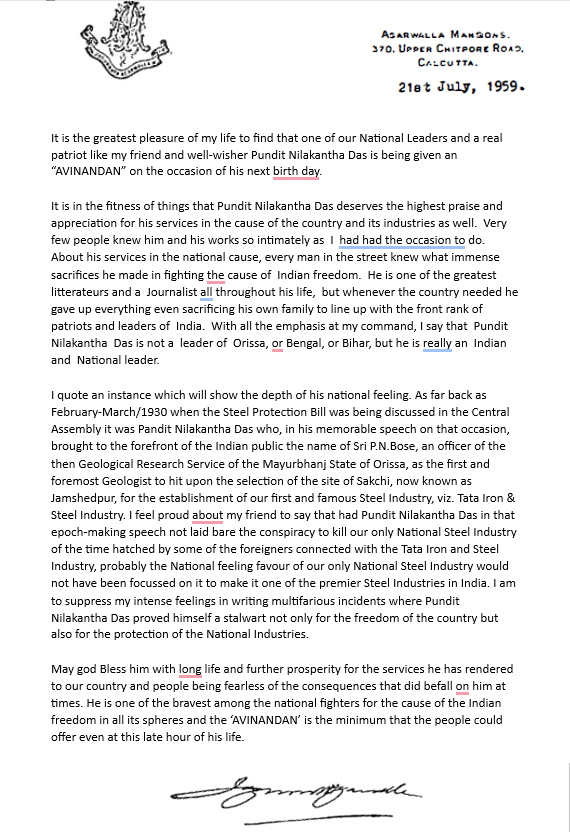
Letter of Gratitude Acknowledging Pandit Nilakantha Das’s National
Service (1959)
This letter, written in July 1959 by a leading Indian industrialist from Calcutta, was addressed on the occasion of Pandit Nilakantha Das being formally honoured with an Avinandan for his 75th birthday. The author records Nilakantha Das’s extraordinary role as a parliamentarian and a national leader, whose work extended far beyond regional or provincial boundaries. In particular, the letter highlights Nilakantha Das’s intervention when efforts were being made by the British Government to import steel to
India from abroad, potentially undermining India’s emerging national steel enterprises. Recalling Nilakantha Das’s participation in the Central Legislative Assembly and his work on the powerful Railway Committee, the author credits him with helping to protect the nation’s first major (Tata) steel industry and the associated smaller industries, and with resisting actions that could have weakened India’s economic self-reliance during a critical period.
The letter stands as documentary testimony to Nilakantha Das’s contribution to India’s industrial and economic interests, and to the recognition he received from grateful figures outside the political sphere, including its industry leaders. A copy of the actual letter can be found here <TBD: Link> in the library
nilakantha smruti samiti
Formation of the Smruti Samiti
The Nilakantha Smruti Samiti was established in November 1978 in Bhubaneswar, following a gathering held at the Lalita Kalaapitha Building to commemorate the eleventh death anniversary of Pandit Nilakantha Das. The meeting brought together his former students from the Satyabadi School, writers and intellectuals from Odisha, colleagues from public life, and others who had known him through close personal association.
The Samiti emerged from the results of discussions in this gathering. A small group of office bearers, each personally associated with Pandit Nilakantha, and deeply committed to his work, took responsibility for establishing and sustaining the organization. Over the following years, they worked with dedication to ensure that the Samiti served the wider public in Odisha.
Objectives and Publications
The primary objective of the Nilakantha Smruti Samiti was to collect, preserve, and organize Pandit Nilakantha Das’s writings. These included books and essays on the Odia language, education, philosophy, public life, theology, and social issues, as well as lectures and articles published in journals and periodicals.
To promote informed understanding, the Samiti invited in-depth, analytical articles from individuals who had known Pandit Nilakantha personally or had studied his work closely. These were compiled and published as a series of annual volumes known as Nilakantha Smarakis. Eight such volumes were published during the 1980s. A few of the later Smarakis focused on specific areas of his contribution, such as children’s literature, philosophy, folklore, and education. An earlier commemorative volume, Nilakantha Smaranika, published in 1969 soon after his passing, is also regarded as part of this series of memorial literature. All these publications were made available to the public at minimal cost.
Activities and Financial Support
It was not very easy in the 1980s to financially support a voluntary literary organization. The Nilakantha Smruti Samiti functioned largely through public good will, limited support from private businesses, and personal efforts of the Samiti office bearers. To reduce expenses, the Samiti did not maintain a separate office or storage facility. Instead, its publications and related materials were housed in the residences of the office bearers, who also absorbed many incidental costs themselves.
In spite of these limitations, the Samiti undertook several educational and commemorative activities, including annual lecture programs on Nilakantha’s work at Utkal University and Berhampur University, debate competitions for school students held on key anniversaries, initiatives to install statues at selected locations, and material support for graduate and postgraduate students researching Pandit Nilakantha’s work.
Continuing Role and Contemporary Outlook
The Nilakantha Smruti Samiti continues to function through the voluntary efforts of its office bearers, and the goodwill of its supporters. It remains the custodian of a substantial collection of Pandit Nilakantha Das’s books, journals, and related material, and has undertaken partial digitization of these resources.
In recent years, the Samiti has also worked with cultural preservation organizations in Odisha to support accurate documentation and recognition of Pandit Nilakantha’s contributions across multiple fields.
However, contemporary research and learning increasingly rely online access to searchable and well-organized digital resources. Hence, the need for a system to provide such access to Nilakantha’s works has become evident. This website seeks to complement and extend the foundational work carried out by the Nilakantha Smruti Samiti – by presenting those materials in a form better suited to contemporary readers and researchers.