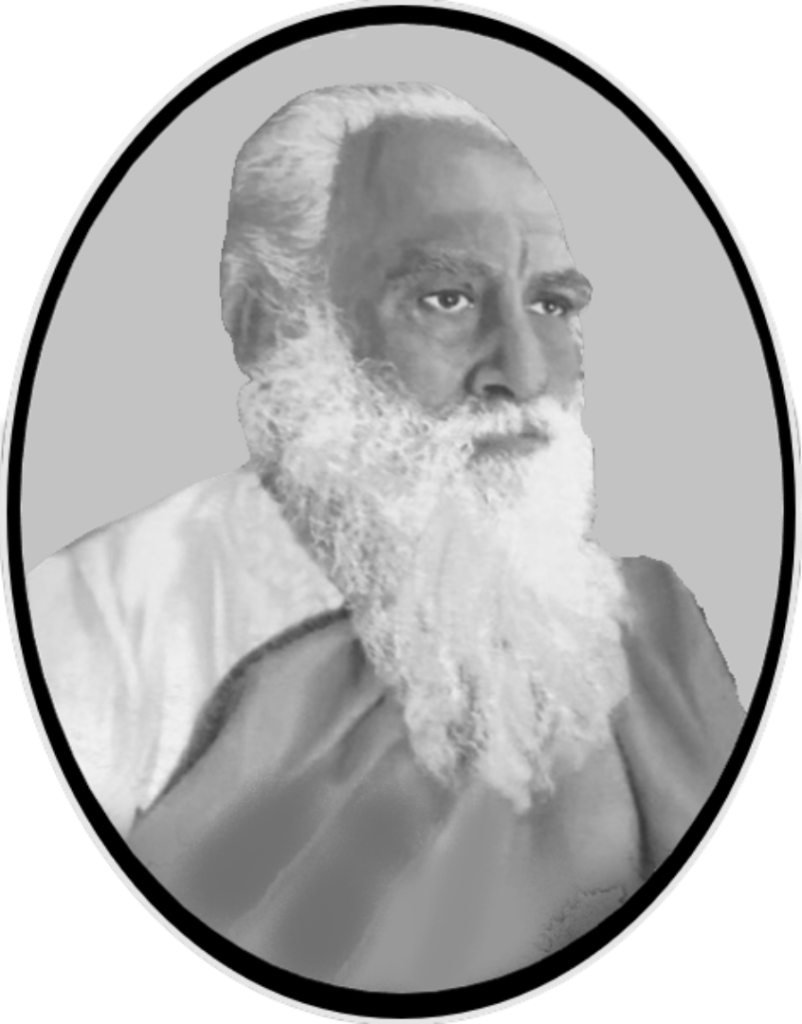
Public Respect &
Personal Life
ଛାତ୍ରର ପ୍ରଣତି
ପଣ୍ଡିତ ନୀଳକଣ୍ଠ ସ୍ମୃତି ସମିତିର ସମ୍ପାଦକ ମହୋଦୟ,
ମହାଶୟ,
ବହୁତ ଦିନ ତଳେ ଆପଣଙ୍କର ସ୍ମୃତି ସମିତି ତରଫରୁ ପଣ୍ଡିତଜୀଙ୍କର ଫଟୋଚିତ୍ରଟି ପାଇ ଉପକୃତ ହୋଇଛି । ସେତେବେଳେ ଆପଣଙ୍କୁ ଜଣାଇଥିଲି ଯେ ମୁଁ ମୋ ପାଖରେ ପଣ୍ଡିତଜୀଙ୍କର ସ୍ଵହସ୍ତ ଲିଖିତ ପତ୍ର ଖଣ୍ଡିଏ ଅତି ଯତ୍ନର ସହ ରଖି ଅଛି । ଆପଣଙ୍କ ଅନୁରୋଧ ସତ୍ତ୍ଵେ ଉକ୍ତ ପତ୍ରଟିକୁ ପଠାଇବାରେ ବହୁତ ଡେରି ହୋଇଗଲା । ପତ୍ରଟି ମୋ ପାଖରେ ଆଜି ପର୍ଯନ୍ତ ଗୋଟିଏ ରତ୍ନ ସ୍ବରୂପ ଥିଲା । ଆଜି ମୋର ହାତଛଡା ହେଲା । ବେଳେ ବେଳେ ମୋ ପିଲାମାନଙ୍କୁ ଓ ବନ୍ଧୁ ବାନ୍ଧବମାନଙ୍କୁ ଏ ପତ୍ରଟି ଦେଖାଇ ମୋର ଗର୍ବର ଅତୀତକୁ ବଖାଣି ବସେ । ଓଃ, ସେତେବେଳେ ମୋର ବୟସ ଆଉ ତିରିଶ ବର୍ଷ ତଳକୁ ଖସିଗଲା ପରି ଲାଗେ । ଆଜି ସେଇ ରତ୍ନଟିକୁ ଆପଣଙ୍କ ପାଖକୁ ପଠାଉଛି । ମୁଁ ଯେତେ ଶ୍ରଦ୍ଧାରେ ଓ ଭକ୍ତିରେ ଏ ରତ୍ନଟିକୁ ସାଇତି ରଖିଛି, ମୋ ପରେ ମୋ ପିଲାମାନେ କଦାପି ପଣ୍ଡିତଜୀଙ୍କର ଏଇ ପତ୍ରଟିକୁ ସେଇ ସମ୍ମାନ ଦେବେ ନାହିଁ । ବହୁତ ଦିନ ହେଲା ଏହା ଭାବି ଭାବି ଆପଣଙ୍କ ପାଖକୁ ଉକ୍ତ ପତ୍ରଟି ପଠାଇଲି । ଆପଣଙ୍କ ପରି ମହତ ଲୋକଙ୍କ ହାତରେ ପଡିଲେ ନିଶ୍ଚୟ ଏ ରତ୍ନଟି ଉତ୍ତମରୂପେ ସଂରକ୍ଷିତ ହେବ ।
କେଉଁ କାରଣରୁ ପଣ୍ଡିତଜୀ ମୋ ପାଖକୁ ଉକ୍ତ ପତ୍ରଟି ଲେଖିଥିଲେ, ସେ ସବୁ ଆପଣଙ୍କ ଜାଣିବା ନିମନ୍ତେ ବୁଝାଇ ଲେଖିଲି ।
x x x
ସେଇ ଦିନୁ ଆଜିକୁ ୩୩ ବର୍ଷ ହେଲା, ପଣ୍ଡିତଜୀଙ୍କର ଉକ୍ତ ପତ୍ରଟିକୁ ସାଇତି ରଖିଥିଲି । ଆଜି ସମସ୍ତଙ୍କ ଗୋଚରକୁ ଆଣିବା ପାଇଁ ଉକ୍ତ ପତ୍ରଟିକୁ ଆଲୋକକୁ ପଠାଇଲି ।
ଆପଣଙ୍କ ଗୁଣମୁଗ୍ଧ
ଗଙ୍ଗାଧର ମହାପାତ୍ର
ହେରା ଗୋହିରୀ ସାହି, ପୁରୀ
(୧୯୪୯ ମସିହାରେ, ଲେଖକ ଏକ ସ୍କୁଲରେ ନବମ ଶ୍ରେଣୀରେ ପଢୁଥିବା ବେଳେ, ଉତ୍ତର ପାଇବାର କୌଣସି ଆଶା ନ ରଖି, ପଣ୍ଡିତ ନୀଳକଣ୍ଠଙ୍କୁ ଓଡିଆ ବ୍ୟାକରଣ ବିଷୟରେ ଏକ କଷ୍ଟ ପ୍ରଶ୍ନର ଉତ୍ତର ପଚାରି ଏକ ଚିଠି ଲେଖିଥିଲେ । କିନ୍ତୁ ଦୁଇ ତିନିଦିନ ପରେ ନୀଳକଣ୍ଠଙ୍କ ଠାରୁ, ତାଙ୍କର କର୍ମ ବହୁଳ ଜୀବନ ସତ୍ତ୍ୱେ, ସେ ପ୍ରଶ୍ନର ଉତ୍ତରରେ ଏକ ଚିଠି ପାଇ ଅତି ଆନନ୍ଦିତ ହୋଇଥିଲେ ଓ ସେ ଚିଠିଟିକୁ ଯତ୍ନରେ ସାଇତି ରଖିଥିଲେ । ଉପରୋକ୍ତ ଲେଖାଟିରେ ସେ ନୀଳକଣ୍ଠ ସ୍ମୃତି ସମିତିକୁ ସେହି ବହୁ ଯତ୍ନର ଚିଠିଟିକୁ ସଂରକ୍ଷିତ କରି ରଖିବା ଉଦ୍ଦେଶ୍ୟରେ ପ୍ରଦାନ କରି ନିଜର ଗଭୀର ଆନନ୍ଦ ପ୍ରକାଶ କରିଛନ୍ତି । )
ନୀଳକଣ୍ଠ ସ୍ମାରକୀ - ଦ୍ଵିତୀୟ ବର୍ଷ , ୧୯୮୨ (ପୃଷ୍ଠା: ୧୧୩)
ବୀରର ସଂକେତ
ଶ୍ରୀ ଗୋପୀନାଥ ସେନାପତି, ବାଣପୁର
ଲକ୍ଷେ ଜନତାର ଜମିଥିଲା ଦିନେ କୋଠଗଦ ଗଡେ ଭିଡ,
ଶଙ୍କା ବିହୀନ ରଣ ରଙ୍କାର ମାଟି ନେବ କେଉଁ ମୋଡ଼ ?
କମ୍ପନ ଦେଲା ବୀରଭୂମି ବକ୍ଷେ କାଳର ବକ୍ଷ ଚିରି,
ନିର୍ବାଚନର ଉଦ୍ଦୀପନାରେ ଉତ୍ତୁଙ୍ଗ ସେ ଯେ ଭେରୀ
ବାଣପୁର ପରିପାଟୀ
ଚମକି ଉଠିଲା ଆଶା-ଆଶଙ୍କାରେ କୋଠଗଦ ଗଡ ମାଟି ! ।୧।
ନିର୍ବାଚନର ସଭା ସମ୍ଭାର ନ ଥିଲା ଯେତେ ହେଁ ବଡ,
ପ୍ରିୟ ନେତାଙ୍କର ଦର୍ଶନ ଆଶା ତହିଁରୁ ପ୍ରବଳତର;
କୁଣ୍ଠାବିହୀନେ ଅଗଣିତ ଜନ ଠୁଳ ଯେତେ ନରନାରୀ,
ଚରଣେ ତୁମ୍ଭର ଲୁଣ୍ଠିତ ଶିରେ ଅର୍ଚ୍ଚନା ଦେଲେ ତୋଳି ।
ବାଣପୁର ପରିପାଟୀ
ଚମକି ଉଠିଲା ବୀର ଦର୍ପରେ କୋଠଗଦ ଗଡ ମାଟି ! ।୨।
ସେଦିନ ସଭାର ସଭାପତି ତୁମେ ଫୁଲରେ ଗଲ ହେ ବୁଡ଼ି,
ସର୍ବେ ନିର୍ନିମେଷ ନୟନେ ରହିଲେ କରପତ୍ରକୁ ଯୋଡ଼ି,
ଲକ୍ଷେ ଜନତାର ହୃଦୟ ମନ୍ଦିର ସ୍ପନ୍ଦିତ ହେଲା ଖାଲି,
କି ହେବ ଯେବେ ଏ ଦେଶସେବୀଙ୍କର ଲଲାଟ ନ ହୁଏ ନାଲି !
ବାଣପୁର ପରିପାଟୀ
ଚମକି ରହିଲା ଆଶା ଆଶଙ୍କାରେ କୋଠଗଦ ଗଡ ମାଟି ! ।୩।
ଅର୍ବାଚିନ ଜଣେ ନିର୍ବାଚନର ସଭା ମଧ୍ୟୁ ଉଠେ କହି,
ମହାନୁଭବ ହେ ପଣ୍ଡିତ ବର ପାର କି ଉତ୍ତର ଦେଇ,
“ଏକି ଜନସଂଘ ଓଡ଼ିଶା ରାଜ୍ୟେ, ମାତ୍ର ତୁମ୍ଭେ ବେନି ଜନ
ପାରି ଉଠିବ କି ବିଶାଳ କଂଗ୍ରେସେ କୂଟ କୌଶଳପୂର୍ଣ୍ଣ ।”
ବାଣପୁର ପରିପାଟୀ
ଚମକି ରହିଲା ଆତଙ୍କିତ ପ୍ରାଣେ କୋଠଗଦ ଗଡ ମାଟି ! ।୪।
ସ୍ଫୁରିତ ନୋହୁଣୁ ପ୍ରଶ୍ନବଚନ ପ୍ରଶ୍ନକାରୀର ମୁଖୁ
ଚମକି ଉଠିଲ ସିଂହ ବିକ୍ରମେ ତେଜୋଦୀପ୍ତ ହେଲା ଚକ୍ଷୁ;
କମ୍ପି ଉଠିଲା ଶ୍ମଶ୍ରୁଳ ମୁଖ ସ୍ଫୁରିଲା କି ଅଗ୍ନି ବାଣ,
“ସମ୍ମୁଖେ ମୋର ଠିଆ ହୁଅ ଏବେ କହୁଛି ମୁଁ ଯାହା ଶୁଣ ।”
ବାଣପୁର ପରିପାଟୀ
ଚମକି ଉଠିଲା ରଣ ହୁଙ୍କାରେ କୋଠଗଦ ଗଡ ମାଟି ! ।୫ ।
ଗୁରୁ ଗମ୍ଭୀର ନିନାଦେ କହିଲ ବଦନ ଅଗ୍ନି ସମ,
“ପ୍ରତି ପକ୍ଷର ଆସନେ ବସିବୁ ଯେବେ ଆମେ ବେନି ଜନ;
ଗୋଦାବରୀ ତୁଲେ ନୀଳକଣ୍ଠ ମୁଁ ଆମର କଟାକ୍ଷ ପାତେ
କୂଟ କୌଶଳ ବୁଦ୍ଧି ହଜିଯିବ ବାନର ସେନାର ମାଥେ ।”
ବାଣପୁର ପରିପାଟୀ
ଚମକି ଉଠିଲା ଉଲ୍ଲସିତ ପ୍ରାଣେ କୋଠଗଦ ଗଡ ମାଟି ! ।୬।
ଝଙ୍କାଳିଆ ସେ କଳ୍ପତରୁ ଡାଳେ ପାତି ମାଙ୍କଡର ପଲ,
ବସିଥିବା ବେଳେ ରଡ଼ି ଦିଏ ଯେବେ ଗୋଟିଏ ବି ମହାବଳ;
ଝଡି ପଡନ୍ତି କି ନାହିଁ ଆହେ ବନ୍ଧୁ, ପାରିବ କି ମୋତେ କହି,
ଦୁଇ ଦୁଇଟାର ରଡି ହୁଙ୍କାର ସମ୍ଭାଳିବେ କି ସେହି ?”
ବାଣପୁର ପରିପାଟୀ
କମ୍ପି ଉଠିଲା ବୀର ଦର୍ପରେ କୋଠଗଦ ଗଡ ମାଟି ! ।୭।
ଉଚ୍ଛସିତ ସେ ଜନ ପାରାବାର ସତେ କି ପାଗଳ ଏବେ,
ଘନ ଘନ ଖାଲି ଦେଲେ କରତାଳି କମ୍ପାଇ ପାତାଳ ନଭେ;
ସେ ଦିନର ସ୍ମୃତି ଅନ୍ତରେ ଆମ ଉଦ୍ବେଳନ ଯେ ତୋଳେ,
ପ୍ରଣତି ଘେନିବ ଅର୍ଚ୍ଚନା ରଚୁ ଚରଣ ପଦ୍ମ ତଳେ ।
ବାଣପୁର ପରିପାଟୀ
କମ୍ପିବାକୁ ଦିଅ ଶକ୍ତି ବୀରଦର୍ପେ କୋଠଗଦ ଗଡ ମାଟି ! ।୮।
ନୀଳକଣ୍ଠ ସ୍ମାରକୀ - ୧ ମ ବର୍ଷ , ୧୯୮୨ (ପୃଷ୍ଠା: ୧୧୩)
For an English Translation: See Main Section - Profile in Courage
(TBD:Link)
--- ପଣ୍ଡିତ ନୀଳକଣ୍ଠ ଦାସ ମହୋଦୟ ସମୀପେଷୁ ---
ଦେବ ! ଋଷି ! ଦୁର୍ବାସା ! ତପସ୍ଵୀ ! ସାଧକ ! ଦମ୍ଭୀ ! ବୀର ! ଜ୍ଞାନୀ !
ନମସ୍କାର !
ଆପଣଙ୍କୁ ସ୍ତୁତି କରିବା ପାଇଁ ନୁହେଁ ଏ କବିତାର
ଆବିଷ୍କାର |
ମର୍ମରୁ ଉଚ୍ଛ୍ଵସି ଉଠିଲା ଏହା ଆପଣା
ଛାଏଁ ତାର !
…
ଓଡ଼ିଆ ଜାତିର ମହତ୍ତ୍ଵ ହଜାଇ ଦେଇଛୁ ଆମ୍ଭେ
ମୂର୍ଖତାରେ ଭାରି
ଓଡ଼ିଆର ଏତେ ଗୌରବ ଏତେ ଦମ୍ଭ, ଏତେ ବିକାଶ
ସୌରଭ, କିଛି କି ଆମ ପ୍ରାଣେ ନ ଥିଲା ଭରି ?
ସବୁ ଭ୍ରମୁ ଥିଲୁ, ଭ୍ରମାଉ ଥିଲେ ଅନ୍ୟେ
ଯେପରି ମେଣ୍ଢା ଆମେ;
ଗୌରବ ନାଇଁ, ନ ଥିଲା କିଛି
ଆମର ସେପରି |
ଆଜି ‘ଓଡ଼ିଆ ସାହିତ୍ୟର କ୍ରମ ପରିଣାମ’ ପୁସ୍ତକେ ଆପଣ
ଦେଖାଇଲେ ଯେଉଁ ଜ୍ଞାନ
ଅଜ୍ଞାନ ତିମିର ଗଲା ଆମର – ତାହା
ଆହୁରି ଯାଉ ଆମର ଚାଲି |
ନୀଳକଣ୍ଠ! ବିଷକଣ୍ଠ! ବିଷ ଉଦ୍ଗାରିଛନ୍ତି
ଜାତିର ହିତ ପାଇଁ |
ଏ ଜାତିକୁ ଚେତନା ଦୃପ୍ତ କରିବା ପାଇଁ |
‘ଓଡ଼ିଆ ସାହିତ୍ୟର କ୍ରମ ପରିଣାମ’ ପୁସ୍ତକର ପ୍ରଥମ ଭାଗ ପଢିବା ପରେ
Published in 1948-49 Nababharata at the Author’s special request
|| ଶେଷ ଭୁଲ ||
ପ୍ରକାଶନ: ଆଜିର ଡାକ, ଜୁନ ୧ , ୧୯୮୨
ଲେଖକ: ଶ୍ରୀ ଲକ୍ଷ୍ମୀଧର ନାୟକ
Poet, playwright, fiction writer, and essayist
Founder of Singhbhum Odia Sahitya Samaj ‘Manchabichira’ of Jamshedpur, and
Cultural Akademi of Rourkela.
This article presents the author’s personal account of why Pandit Nilakantha Das stopped the publication of the monthly journal Nababharata in the 1950s, even though it was considered the gold standard of journalism in Odisha.
Pandit Gopabandhu and Nilakantha
Nilakantha’s Relation with Gopabandhu
Pandit Gopabandhu Das and Pandit Nilakantha Das, the two founding pillars of the Satyabadi school and later in the fight for an independent Odisha state, had left their indelible marks in the political and literary fields of Odisha unlike any other group in its modern history. There was a saying that “Whatever Gopabandhu dreamt, Nilakantha delivered it through his actions.” Yet their close bonding was not accidental; it had developed and was nurtured over many years, since Nilakantha’s early school days, as evident from Nilakantha’s autobiography. (TBD: Links to both Odia and English versions). A few key points from the autobiography about that relationship are described here.
Gopabandhu’s Early Influence on Nilakantha
Nilakantha came in contact with Gopabandhu during his high school years, in the home of an unsung hero named Muktar Ramachandra Das. He was eight years younger than Gopabandhu, and that association in Nilakantha’s formative years had determined his life trajectory. Below are some facts related to their Guru-shishya relation:
Death of Gopabandhu’s young son
Gopabandhu had married young and was the father of two children at the time, and lived in a small house in Puri.There, his little boy was affected by some acute illness, and in spite of available treatments, died soon. Seeing the heart-wrenching sorrow of Gopabandhu and his wife, Nilakantha had decided not to marry or have children of his own, but just to devote himself to the motherland. Later, Nilakantha’s father requested Gopabandhu to ask his son not to take such a vow as he was the only son, and must marry to maintain the family tree. And Gopabandhu was able to persuade Nilakantha accordingly.
The Kartabya Bodhini Samiti
This was a Samiti or group formed by Gopabandhu, his classmate and intimate friend Sri Braja Sundar Das, and a few other Odias who had passed IA or BA examinations and were then protesting the requirement of Odia students at Calcutta University (to which the Ravenshaw college was then affiliated) to pass a Bengali paper to get their BA degrees. They also established a new magazine called The Mukura (The Mirror) to counter the influence of non-Odia publishers in Odisha. Later on, around 1907, this samiti was rebranded as Young Utkal Association, and helped flood victims in Kendrapada and Jajpur area. Nilakantha, then in his early twenties, assisted them in their flood relief work, and became the life-long admirer of Braja Sundar Babu as well.
Death of Gopabandhu and Nilakantha’s highest Obeisance
However, after Gopabandhu became the Provincial Congress committee at Cuttack, some intolerant and jealous people at the Young Utkal Association brought allegations against him for financial misappropriation during the 1927 flood relief work, which hurt him greatly. With tearful eyes, he prophetically declared not to come back to Cuttack again, and died of typhoid soon after. Nilakantha said it made them all rudderless; like groping in the dark.
In Nilakantha’s opinion, a human being cannot be easily elevated above Gopabandhu – in whom he had observed signs of divinity. He had, therefore, dedicated his famous book “Arya Jeevan” to Gopabandhu, who, symbolically, represented an Arya.
Friendly differences With Gopabandhu
Gopabandhu and Nilakantha, outwardly, were vastly different; one soft, gentle, religious, and ritualistic who believed in all religious scripts, whereas the other strong, fearless, non-traditional in religious thinking and non-ritualistic. Often, if Nilakantha expressed doubts about Krishna’s role in various Puranas, Gopabandhu would gently chide him, saying: “Kantha, don’t talk like that. It will be a great sin (paapa).” Similarly, after Gopabandhu wrote his famous book Dharmapada, with elaboration on the young boy’s sacrifice and the cowardice of the 1200 sculptors of the Konark temple, Nilakantha expressed his difference of opinion, challenging the truth behind this story and expressing displeasure at demeaning the sculptors and the King himself without any historical truth.
Nilakantha and Gopabandhu — Two Ends of Patriotic Spectrum
Gopabandhu was like a quiet river. He spoke softly, lived simply, and served tirelessly.
People respected him for his sacrifice, his compassion, and his ability to suffer silently for the good of others.
Nilakantha, on the other hand, was like a thunderclap.
He could be calm and scholarly — but when challenged, he roared. He argued, thundered, and enjoyed
intellectual combat. When he spoke, people listened in admiration.
Nilakantha’s Relationship with Pandit Godabarish Mishra
Pandit Nilakantha Das, who did not have any brothers or younger siblings, treated Pandit Godabarish Mishra as a younger brother in every sense. Godabarish was the only member of the Pancha Sakha (also called the Satyabadi Group by their political opponents in Odisha) who was not from the Puri region; he came from Banapur near Chilika Lake. Nilakantha first came to know him when Godabarish joined the Puri Zilla School, junior to him by one year.
In outward behaviour, Nilakantha and Godabarish were strikingly different. Nilakantha was fearless, short-tempered, and indifferent to personal comfort. Godabarish, on the other hand, was soft-spoken, gentle, and maintained a neat and orderly appearance. Despite these differences, they remained close friends and colleagues throughout their lives. When Godabarish was working at Chakradharpur towards the unification of Odia-speaking regions, Nilakantha entrusted the care and education of his elder son to him.
Godabarish was the other member of the Satyabadi group, apart from Gopabandhu Das, to actively enter politics. He served as a member of the Bihar–Odisha Provincial Council and later as Finance and Education Minister of Odisha from 1941 to 1944. With his support, Nilakantha’s long-cherished plan for establishing Utkal University was realized.
In his autobiography, Nilakantha expressed deep brotherly affection for Godabarish. Impressed by his gentle nature and abilities, he even pleaded with his teachers at the Puri Zilla School not to be too harsh on him, believing that Godabarish showed early signs of becoming a great son of Odisha.
Godabarish, in his own recollections, mentioned that when both of them were teachers at the Satyabadi School, Nilakantha often “bossed him around,” even asking him to carry items for him — much as an elder brother might — seemingly oblivious to any resentment this caused. At the same time, he acknowledged that it was Nilakantha’s own hard work and guidance that helped him secure the highest marks in the B.A. Philosophy (Honours) examination at Calcutta University. Later, when Godabarish visited Nilakantha at his village home, Nilakantha — who cared little for his own comfort — personally instructed the household to ensure that Godabarish was looked after properly.
Empowering Women at Home
In discussions of Pandit Nilakantha Das’s life and work, not much attention has been paid to the character and strength of the women around him. Yet, starting from his mother, Smt. Hira Debi, and extending to his wife and daughters, the women of his household were striking examples of empowered individuals. They made many of the important decisions involved in managing and caring for the household, thereby freeing the men in their lives to pursue public responsibilities. At the same time, they extended help and support to less fortunate women in their community.
Instead of objecting to such independence and responsibility among women, Nilakantha actively encouraged it.
He also encouraged the well-known Odia poetess Smt. Kuntala Kumari Sabat, as well as several other women whom he came to know through his social and political life.
Even professionally, although Satyabadi School was not a co-educational system in line with its time and place, Nilakantha appreciated the equality between men and women. This had attracted him to Lord Tennyson’s poetry “The Princess” for this theme, and he adopted it to Odia. A stanza from this book Pranayini is given below:
“…If the female falls, the male cannot stand tall.
In chains or in freedom, men and women walk as one!
From earliest dawn, the female is nurtured by the male,
In Nature’s grand design, in a sacred bond,
They ascend together, hand in hand, progress’s carved steps beyond.”
(Translated from Odia to English)
Here we present the life stories of two women, who were supported by Nilakantha directly and indirectly, to be helpful inspirational to many. They are:
(a) Nilakantha’s wife Smt. Radhamani Debi, and
(b) Her childhood friend: a poor, widowed woman named Smt. Dhanamani Debi.
Srimati Radhamani Debi
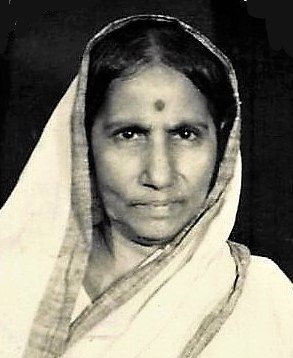
Radhamani Debi, a ten-year-old girl from a neighboring Brahmin Sashan village, was married to the twenty-year-old Nilakantha, bringing her formal schooling to an end and causing her to forfeit a scholarship for the next grade. Nilakantha married at the counsel of Gopabandhu so that his wife could take care of his elderly parents and help sustain the family line. As expected, Radhamani fulfilled these responsibilities with exceptional ability. She joined her in-laws’ household at the age of fourteen and managed it efficiently, freeing Nilakantha to pursue his goals without being burdened by domestic worries.
Before Nilakantha left home in 1921 to participate in the Indian Independence Movement, he wrote—under a pseudonym—and sold a kavya titled Naishedhiya Bilasha, based on the story of King Nala, in order to purchase to support his financially fragile family. He also arranged for Radhamani’s father to live with them to provide guidance and oversee agricultural matters. In time, Radhamani herself became well-versed in these responsibilities, assisting her father and helping to support her own younger siblings.
With Nilakantha’s encouragement, Radhamani educated herself in Bengali and Hindi and read newspapers and magazines in all three languages. This helped her gain a broader understanding of society and strengthened her resolve to assist poor and unfortunate women in her village in whatever ways she could.
Political Activities
Radhamani Debi paid a heavy personal price for her husband’s political commitments. Two of her daughters died in childhood while Nilakantha was away—once in Sambalpur and later while he was in jail—and he was unable to return home after either tragedy. Her eldest son, along with Nilakantha himself, was imprisoned multiple times.
Despite these hardships, Radhamani actively participated in Gandhiji’s non-violent movement. She donated all her jewelry to the cause and never wore gold ornaments thereafter. She lived for a time at Kadua Ashram near Sakhigopal, and was imprisoned in the Puri jail, leaving her daughters in the care of their maternal grandmother. Throughout her life, she remained Nilakantha’s strongest supporter.
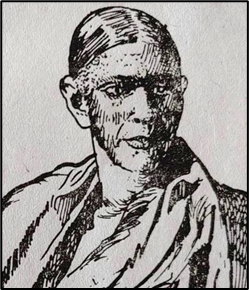
Srimati Dhanamani Debi
This is the remarkable but true story of Dhanamani Debi, a poor, destitute, and uneducated village widow who was able to realize her potential in the service of others through the guidance and support of her childhood friend, Smt. Radhamani Debi, and her husband, Pandit Nilakantha Das.
Dhanamani was the youngest daughter in a motherless family and was blamed by her father for the accidental drowning of her three-year-old brother— the only son in the family. She was a childhood friend of Radhamani Debi and was married at a young age to the son of one of Nilakantha’s neighbors. She suffered mistreatment in her in-laws’ household and at one point even attempted suicide.
Widowed at the age of twenty-five, with no education, money, or support, Dhanamani Debi came into Nilakantha’s household by her friend Radhamani and husband Nilkantha – where she lived for the rest of her life as a sister to Radhamani and became the beloved Mausi (aunt) of the family’s children.
With their support, Dhanamani Debi trained as a midwife at Satyabadi Hospital and soon became known for her exceptional skill in delivering babies and caring for expectant mothers’ health and nutrition—often spending her own earnings on the women she served. As her reputation spread, her workload increased, yet she never turned away anyone in need, even into her very old age.
Dhanamani Debi delivered many of Pandit Nilakantha’s grandchildren (where the expectant mothers preferred her to a medical doctor), and remained a permanent and respected presence in the family. She was always cherished by the grandchildren as their “elder grandmother”, and told them many fun-filled stories of princes and princesses in the evenings.
A Few Words about Our Grandfather
Introduction
This article presents Nilakantha from the perspectives of two of his grand-daughters, who spent considerable time with him in their childhoods – exposing the soft and fair side of Pandit Nilakatha – reminiscent of the person who had written the poem Ramachandi Thare Rati (first part of his famous book Konarke) when he was the Satyabadi school teacher. It recalls a few childhood incidents that quietly reveal the fairness, gentleness, and moral discipline that was often exhibited in Pandit Nilakantha’s public life. It also includes a tale narrated earlier by one of his grandsons, revealing Pandit Nilakantha’s unpretentious nature and his concern for guiding the future generation of Odisha to follow the righteous path.
Myth of Temper
It was well known throughout Odisha that Pandit Nilakantha was very short-tempered; which was no doubt true; and some people used to compare him with the Rishi Durvasa, which was undoubtedly false. It probably held its footing in that in later years, Nilakantha, with his long white beard, did resemble an ancient rishi. His daughter, Srimati Indira Devi, wrote in an article titled: “Was my father like Durvasa Muni?”(TBD: ref – Nilakantha Smaraki) refuting that analogy.
A) Love of Children:
I am a grand-daughter of Pandit Nilakantha and Aja and our family lived together for eight ears as my mother (Nilakantha’s daughter) was managing his household during that period when he was a member, and then the speaker, of the Odisha Assembly. All those years we were strictly instructed not to disturb him when he was reading or having (important) visitors. On the other hand, he always asked my mother to be gentle with my naughty young brother.
Amusedly, my mother used to narrate a story when she was punished harshly by her father for refusing to go to school ‘late’ one day – probably in early 1930s. But when her teacher (who was also Nilakantha’s teacher in grammar school), came to know about it, he gave Nilakantha a pretty good scolding himself, chastising him for his cruelty towards such a young person. And my mother said that Nilakantha understood his own weakness that day, and in fact wept about it, and from that day onwards, was extra nice towards children.
In our childhood, Pandit Nilakantha never teased us or played with us unlike most grandfathers, but in the summer evenings, sitting in the lawn with his close friend Sri Paramananda Acharya (then the Curator of the Odisha Museum), he would show us different stars and constellations in the sky and tell some interesting and educational stories. We used to read his children’s books fondly because they were written in children’s language, presenting very educational lessons from simple scenarios easy for us to visualize.
There was an interesting thing Nilakantha used to talk about fondly, even when I was in college, which happened in my childhood! Once, when I was three or four years old, (and my family was living in Calcutta then), I saw him after a longgap. When he asked me if I knew who he was, I immediately told him: “Oh, you are my Aja!” (I am sure I was already told many times that day that Aja was coming, and that he had a beard – so there was no chance of making any mistake.) But at that time, when the entire Odisha used to recognize him, he was quite overwhelmed with joy that a little girl recognized and called him “Aja”!
B) Fairness:
I would like to recount a story here that showed how fair Pandit Nilakantha was in his heart – even towards children – although the children did not demand it. Once, when he was the speaker of the Odisha Assembly, he received an annual diary, with a set of 52 beautiful pictures of Rajasthani Paintings –one for each week. Soon after one day, I was looking at those pictures quietly in his room, but left when Aja woke up so as not to disturb him. That evening, one of my cousins saw that diary, liked it very much, and took it with Aja’s permission.
About two weeks later, Aja called me one day, and gave me a book containing a number of beautiful Rajasthani paintings. Apparently, it bothered him that I had not been given a chance to claim that diary first. So, he asked one of his staff to look for anything close to that in Cuttack. When Aja gave me this book of Rajasthani paintings, he explained, almost apologetically:
“I had to give her that diary because she asked for it, and you had not.
But I also want to give you something similar, because I did not give you a chance to ask for it.”
He also regretted that it might not be as beautiful, but it was the best available!
This is a real-world personal story; no slogan or lecture could outshine it on “fairness.”
C) Love of His Native Village:
Although Nilakantha spent a lot of his adult life in Delhi, and in different cities in Odisha, his love for his native village Sri RamachandraPur surpassed his love for any other land. Even as a young child, I could vividly see his deep love for his village from the following incident:
When he was the speaker of the Odisha Assembly, one day I was returning with him from Puri to Bhubaneswar, with a stopover at our village Sri RamachandraPur. That was the day of Prathamastami, an annual event when the eldest child in each family gets a special treatment, adorned with new clothes. Since I am the eldest child of my parents, it was decided that some new clothes should be purchased for me at Sri RamchandraPur. Being raised in much more fashionable Cuttack, I didn’t want to purchase any clothes from the old village store, protesting that there were much better shops in Bhubaneswar. However, my grandfather completely overruled me – proudly saying: “Our village stores are no less.” Finally, a dress was purchased from the village store that was more expensive, and which I didn’t like at all.
Anytime Pandit Nilakantha saw a nice thing somewhere, he wanted to take it to his village. He always liked to spend his spare moments in the village, listening to the general day-to-day accounts of the villagers about their farming and well-being. He did not want to build a house anywhere else, even in Puri, to spend his last days near Lord Jagannath, in spite of his wife’s wishes (which can be understood from discussions below).
D) Love of God:
My grandfather was a deep believer of the absolute Divine, and he considered the teachings and practices of the Jagannath dharma was all-compassing and therefore the highest among the practiced religions. But as he was never ritualistic and rarely went to temples, in my young says I had grave doubts on his faith in God expressed in his blessing to us. But after I grew up, one day I got my answer while reading his prayer book “Bhakti Gatha” written for the students at Satyabadi school. One of the stanzas from that poem is quoted below:
ଦୂର ଦେବାଳୟେ ଯିବା ନାହିଁ ପ୍ରୟୋଜନ
ନିଜ ଅଭ୍ୟନ୍ତର ଦେଖ ଫେଡିଣ ନୟନ
ହୃଦ କପିଳାସେ ତୋର ବହେ ପ୍ରେମ ଝର
ବିଜେ କରିଛନ୍ତି ତହିଁ ସ୍ଵୟମ୍ଭୁ ଶଙ୍କର ।
Its English meaning is as follows:
It is not necessary to go to distant temples to find God;
Turn inward and look within yourself.
You will find the fount of love in your heart,
and the almighty Lord Himself dwelling there.
That was Pandit Nilakantha’s faith in God; quiet, inward, and always expressed in his life’s philosophy.